Transform Your Home into a Cozy Winter Retreat While Reducing Energy Expenses
As the winter months draw near and the crisp air begins to settle in, it is essential to create a haven of warmth within your home. However, the rising costs associated with heating can be quite overwhelming for those looking to manage their budgets effectively. Luckily, a plethora of energy-saving strategies is available to help you turn your home into a snug sanctuary without breaking the bank. In this article, you will uncover actionable tips and proven techniques that will keep your living space warm and inviting, all while ensuring that your energy bills remain manageable throughout the winter season.

Enhance Your Home’s Energy Efficiency by Identifying and Sealing Air Leaks
A significant portion of heat loss in residential properties can be attributed to hidden air leaks. By proficiently identifying and sealing these leaks, you can dramatically improve your home’s energy efficiency and reduce heating expenses substantially. This detailed guide presents effective strategies to help you locate and address air leaks throughout your home, with a focus on critical areas such as vents, windows, and doors:
- Windows:
- Inspect for Drafts: On particularly windy days, take the time to meticulously check your windows for potential drafts. Utilizing tools like a candle or an incense stick can help you detect even the faintest air movements that signify leaks, enabling you to pinpoint areas in need of repair.
- Apply Weatherstripping: Implement weatherstripping materials—such as adhesive-backed foam or V-strip—around window frames to establish a tight seal. Selecting the right type based on your specific window design is essential for effective insulation and maximizing energy savings.
- Doors:
- Check for Gaps: Carefully scrutinize the edges of your doors for any visible gaps that may allow cold air to enter your home. Observing these areas in a well-lit space during the evening can help highlight any leaks, making them easier to address.
- Install Door Sweeps and Weatherstripping: Utilize door sweeps at the bottom of your doors to block drafts, and apply self-adhesive weatherstrips along the sides to effectively seal any gaps that may compromise your home’s energy efficiency.
- Vents and Ducts:
- Seal Ductwork: Ensure that your ductwork is thoroughly sealed to prevent warm air from escaping into unconditioned spaces. Using a mastic sealer or foil tape can secure any loose connections, thereby enhancing the overall performance of your heating system.
- Install Vent Covers: Consider using magnetic or adhesive vent covers to control airflow more effectively, minimizing drafts in less frequently used rooms while maintaining comfort in the rest of your home.
- Caulking and Sealant:
- Inspect Exterior Walls: Examine your home’s outer walls for any cracks or holes. Applying caulk or sealant to fill these gaps can prevent air and moisture intrusion, significantly contributing to improved energy efficiency.
- Select the Right Sealant: Choosing the appropriate sealant based on the location and materials is crucial. Silicone is ideal for flexible joints, while acrylic caulk is better suited for indoor applications.
- Utilize Draft Stoppers:
- Place Along Door Bottoms: Use draft stoppers, often referred to as door snakes, to block cold air from entering through the bottom of doors. These fabric tubes are easy to position or remove as needed, providing a quick and effective solution to chilly drafts.
- Seek Professional Assistance:
- Consider Energy Audits: Hiring a professional to conduct an energy audit can be incredibly beneficial. Experts utilize advanced tools, such as thermal imaging cameras, to identify hidden leaks and provide tailored solutions specifically for your home.
Regular inspections and prompt repairs of identified air leaks not only enhance your home’s overall comfort but also significantly boost energy efficiency. By proactively sealing these gaps, you can reduce your energy bills while creating a more welcoming living environment throughout the winter months.
Utilize Natural Sunlight to Create a Warm and Inviting Atmosphere in Your Home
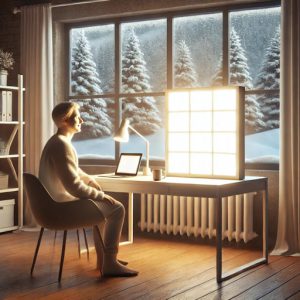
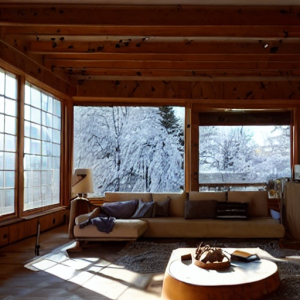 Harnessing the power of natural sunlight during the winter months can significantly elevate both the warmth and ambiance of your living space. Here’s a comprehensive overview of effective strategies to capitalize on daylight and enhance your home’s comfort:
- Maximize Daylight Utilization:
- Strategic Curtain Management: During daylight hours, keep curtains and blinds fully open to let natural sunlight flood your living areas. Position them to maximize window exposure, allowing sunlight to penetrate deeper into your rooms for improved warmth and brightness.
- Choose Sheer Fabrics: If privacy is a concern, consider opting for sheer curtains that filter sunlight while preserving some level of seclusion. The diffusion of light through sheer materials creates a warm, inviting atmosphere that brightens your home.
- Enhance Solar Heat Gain:
- Understanding Solar Heat: Sunlight entering your home contributes to solar heat gain, particularly through south-facing windows that receive more sunlight in winter. This natural warmth can help reduce your reliance on additional heating sources, saving you money on energy bills.
- Utilize South-Facing Windows: Make it a priority to open curtains and blinds on south-facing windows to maximize sunlight exposure, especially beneficial in colder climates where every ray counts towards maintaining warmth.
- Retain Heat During Nighttime:
- Close Curtains at Night: As evening temperatures drop, drawing your drapes and blinds can help insulate your home, preserving warmth that has accumulated throughout the day. Opt for heavier drapes or those with thermal lining for optimal insulation.
- Invest in Insulated Window Treatments: Consider adding insulated drapes or shades to your windows to further minimize heat loss, creating an additional barrier against cold air infiltrating your living space.
- Enhance Ambiance and Well-Being:
- Improve Indoor Lighting: Natural sunlight not only warms your home but also enhances the quality of indoor lighting. This reduces your dependence on artificial light during the day, ultimately lowering energy consumption and positively impacting your electricity bills.
- Incorporate Biophilic Design: Exposure to natural light is linked to enhanced well-being. Allowing sunlight into your living areas can positively influence your mood and productivity levels, contributing to a more enjoyable home environment.
- Maintain Windows for Maximum Efficiency:
- Clean Windows Regularly: Ensure that your windows are cleaned frequently to maximize sunlight entry. Regularly removing dust and debris from both the interior and exterior surfaces prevents obstructions that may limit natural light and warmth.
- Embrace Smart Home Technology:
- Consider Automated Window Treatments: Think about installing smart window treatments that can automatically open and close based on pre-set schedules, optimizing sunlight exposure and heat retention without requiring manual adjustments.
By integrating these strategies into your winter routine, you empower yourself to fully leverage the benefits of natural sunlight, creating a warm and inviting atmosphere in your home while enhancing energy efficiency. By optimizing window treatments and understanding solar heat gain, you can significantly improve comfort and ambiance during the colder months.
Maximize Your Home’s Energy Efficiency with Advanced Insulation Techniques
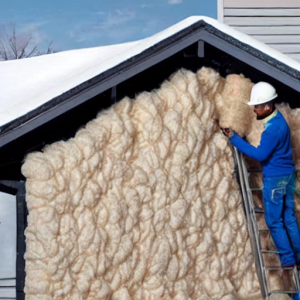 Effective insulation is essential for minimizing heat loss and improving the overall energy efficiency of your home. Establishing a comprehensive insulation strategy that targets key areas, such as the attic, walls, and basement, will result in a warmer, more cost-effective living environment throughout the chilly winter months.
Begin your energy efficiency journey by assessing the insulation levels in your attic. Proper insulation in this space prevents heat from escaping through the roof, serving as a crucial barrier. Various insulation materials, including fiberglass, cellulose, and foam board, offer differing levels of effectiveness. Consulting with a professional can help you determine the most suitable insulation type and thickness for your attic, ensuring optimal performance and comfort.
Next, ensure that your walls are adequately insulated to create a continuous thermal envelope around your home. Proper wall insulation plays a pivotal role in regulating indoor temperatures by preventing heat from escaping through exterior surfaces. Insulation in exterior walls acts as a buffer against outdoor temperature fluctuations, making it a priority for enhancing both energy efficiency and comfort.
While insulating your basement, pay careful attention to both the walls and ceiling, if applicable. Uninsulated basements, which are often in close contact with the ground, can be a significant source of heat loss. Utilize materials like rigid foam boards or spray foam insulation to effectively insulate basement walls. If the basement ceiling remains unfinished, insulating it creates a thermal barrier between the basement and the living areas above, further boosting energy efficiency.
When selecting insulation materials, consider the R-value, which measures the material’s heat resistance. Higher R-values indicate better insulation performance. However, the ideal R-value may vary based on factors such as climate, local building codes, and specific application areas; therefore, thorough research is essential.
In addition to sufficient insulation, ensure that your home is properly sealed to prevent air leaks that can undermine insulation effectiveness. Avoid letting conditioned air escape through gaps around windows, doors, and other potential openings to maintain a cozy indoor environment.
Investing in high-quality insulation not only helps retain warmth but also leads to significant savings on heating bills over time. The initial investment in insulation pays dividends by decreasing the need for constant heating and enhancing energy efficiency throughout your home.
For a comprehensive evaluation, consider consulting insulation professionals or energy auditors. These experts can provide tailored recommendations based on your home’s unique characteristics, ensuring your insulation strategy aligns with your energy-efficiency goals and the specific requirements of your living space.
Achieve Optimal Home Comfort with a Programmable Thermostat
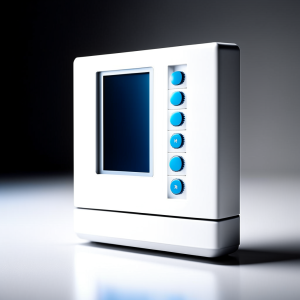 Investing in a programmable thermostat is a proactive step towards optimizing your home’s energy consumption while simultaneously enhancing comfort. This innovative device allows for flexible and automated temperature control, significantly improving your comfort levels and helping you save on energy costs.
Automated Temperature Adjustments: One of the primary advantages of a programmable thermostat is its ability to seamlessly adapt to your daily schedule. By pre-setting temperature adjustments based on your routine, you can ensure that your home is efficiently heated when needed, thereby avoiding unnecessary energy waste during periods when you are away or asleep.
Energy Savings through Setback Settings: Programmable thermostats offer the option to implement setback settings during times when you are away or sleeping. Lowering the temperature during these intervals prevents your heating system from overworking. According to the U.S. Department of Energy, reducing the temperature by just one degree can yield savings of up to three percent on home heating costs, which can accumulate significantly over time.
Tailored Comfort Levels: These devices enable you to customize temperature settings to align with your personal preferences. You can program the thermostat to warm your home just before your return, ensuring a comfortable environment upon your arrival. This personalized approach enhances both energy efficiency and your satisfaction with your home’s climate.
Optimizing Heating Cycles: A programmable thermostat allows for more efficient heating cycles. The system operates with greater precision, reducing energy waste while maintaining consistent temperatures during times when your home is occupied, and adjusting appropriately when it is unoccupied.
Smart Thermostats and Connectivity: The evolution of technology has introduced smart thermostats, which offer advanced features such as remote management via smartphone apps and integration with home automation systems. These capabilities provide unprecedented control and energy management options, allowing you to monitor and adjust your home’s temperature even when you’re away.
Installation and Compatibility: Installing a programmable thermostat is typically straightforward, with many models being compatible with existing heating systems. However, choosing a thermostat that fits your HVAC system and meets your home’s specific needs is essential to maximize effectiveness.
Considerations for Usage: While programmable thermostats are highly effective, careful programming is crucial to maximizing their benefits. Understanding your daily schedule and adjusting the settings accordingly ensures that the thermostat operates harmoniously with your lifestyle, enhancing energy savings while maintaining comfort.
Enhance Your Comfort Levels with Effective Layering Techniques
 To boost your comfort during winter, consider the straightforward yet effective approach of personal layering instead of solely increasing the thermostat settings. This strategy not only aids in reducing energy costs but also fosters a more pleasant indoor environment, granting you greater control over your comfort levels.
Clothing as Insulation: Treat your clothing as an additional layer of insulation for your body. By donning cozy sweaters, thermal socks, and warm slippers, you create a barrier against the cold, allowing for warmth without relying exclusively on heating systems. Opt for materials such as wool and fleece, which are known for their excellent insulating properties, to keep you warm and comfortable.
Footwear Matters: Cold feet can significantly detract from your comfort indoors. Investing in insulated slippers or warm socks is essential for keeping your feet cozy. This simple adjustment not only enhances warmth but also reduces the necessity to raise the thermostat temperature to compensate for chilly extremities, contributing to overall energy savings.
Layering for Bedtime Comfort: Extend the concept of layering to your bedding. Rather than immediately cranking up the thermostat at bedtime, utilize additional blankets to create layers on your bed. Combining lightweight and heavier blankets enables you to customize the layers according to your comfort needs, resulting in a warm cocoon for sleeping that helps retain body heat.
Understanding the Science of Layering: Layering is a time-tested technique that focuses on conserving and capturing body heat. Each layer traps warm air, thereby enhancing overall insulation. By mimicking the natural way our bodies regulate temperature, you can maintain comfort with less reliance on artificial heating, fostering a more sustainable approach to winter warmth.
Benefits Beyond Energy Savings: Mastering the art of layering yields advantages beyond mere energy conservation. It promotes an eco-friendly lifestyle by minimizing the carbon footprint associated with higher heating demands. Moreover, layering cultivates a sense of coziness and control over your environment, allowing for personalized warmth that enhances your overall comfort.
Seasonal Wardrobe Transition: As winter approaches, consider incorporating additional insulating items into your wardrobe. Seek thicker fabrics, thermal undergarments, and accessories like scarves and gloves. By adapting your clothing to the changing seasons, you’ll be better equipped for a winter that is both comfortable and energy-efficient.
Mindful Thermostat Adjustments: By integrating layering into your routine, you can make thermostat adjustments more thoughtfully. Even minor changes, such as lowering the temperature by a few degrees, become attainable when paired with the added warmth offered by layered clothing and bedding, leading to greater energy savings.
Ensure Optimal Performance with Routine Heating System Maintenance
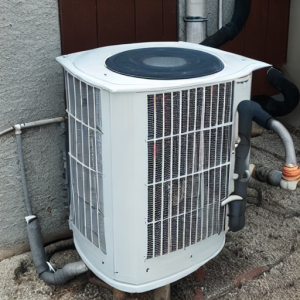 A well-maintained heating system is essential for achieving a comfortable indoor temperature during winter while minimizing energy expenses. Prioritizing regular maintenance and professional servicing guarantees that your heating system operates at peak efficiency, delivering reliable warmth when you need it the most.
Furnace Filter Maintenance: Start by closely monitoring your furnace filters. These filters play a crucial role in maintaining optimal airflow, which is vital for efficiency. Clean or replace filters regularly to prevent dust and debris buildup. Clogged filters restrict airflow, forcing the system to work harder and consume more energy, which can lead to increased heating costs.
The Role of Airflow in Efficiency: Understanding the relationship between airflow and heating efficiency is essential. Unrestricted airflow allows the system to distribute heat evenly throughout your home, reducing the workload on your furnace. This leads to improved comfort and decreased energy usage, enhancing the overall efficiency of your heating system.
Professional Inspection and Servicing: Don’t underestimate the importance of professional assistance for your heating system. Schedule a comprehensive inspection and servicing before winter sets in. Certified technicians can identify and address potential issues that could compromise system efficiency, ensuring you stay warm and comfortable during the colder months.
Preventive Maintenance Benefits: Investing in preventive maintenance pays off in the long run. It not only aids in the early detection and resolution of issues but also extends the lifespan of your heating system. Routine inspections ensure all components are functioning correctly, enhancing productivity and reducing the risk of unexpected breakdowns that could leave you in the cold.
Efficiency Upgrades: Consider upgrading your heating system for improved efficiency. Newer models often come equipped with advanced features designed to maximize energy efficiency. While the initial investment may seem significant, the long-term savings on energy bills, combined with potential rebates, make this a financially sound choice.
The Article Energy Hacks for a Budget-Friendly Cozy Winter Home Was Found On https://limitsofstrategy.com



Recent Comments