Are you planning to repaint your home’s exterior in Brisbane in 2026? The optimal timeframe for this project ranges from April to early November. It’s essential to plan ahead, especially since the hot and humid summer months from December to March require careful consideration for extensive exterior painting projects to achieve desirable outcomes.
Book Your Painting Appointment Early—Peak Seasons Fill Up Fast!
With extensive experience painting homes in Redlands and South Brisbane, we have seen firsthand the negative consequences of painting in unfavorable conditions. Problems like surface tackiness, rapid peeling, and faded colors on north-facing walls can occur within a year. Many of these issues are preventable with proper seasonal planning. Below, we provide essential advice for homeowners to determine the best timing for their painting projects.
What Makes Exterior Painting in Brisbane Different from Southern Cities?
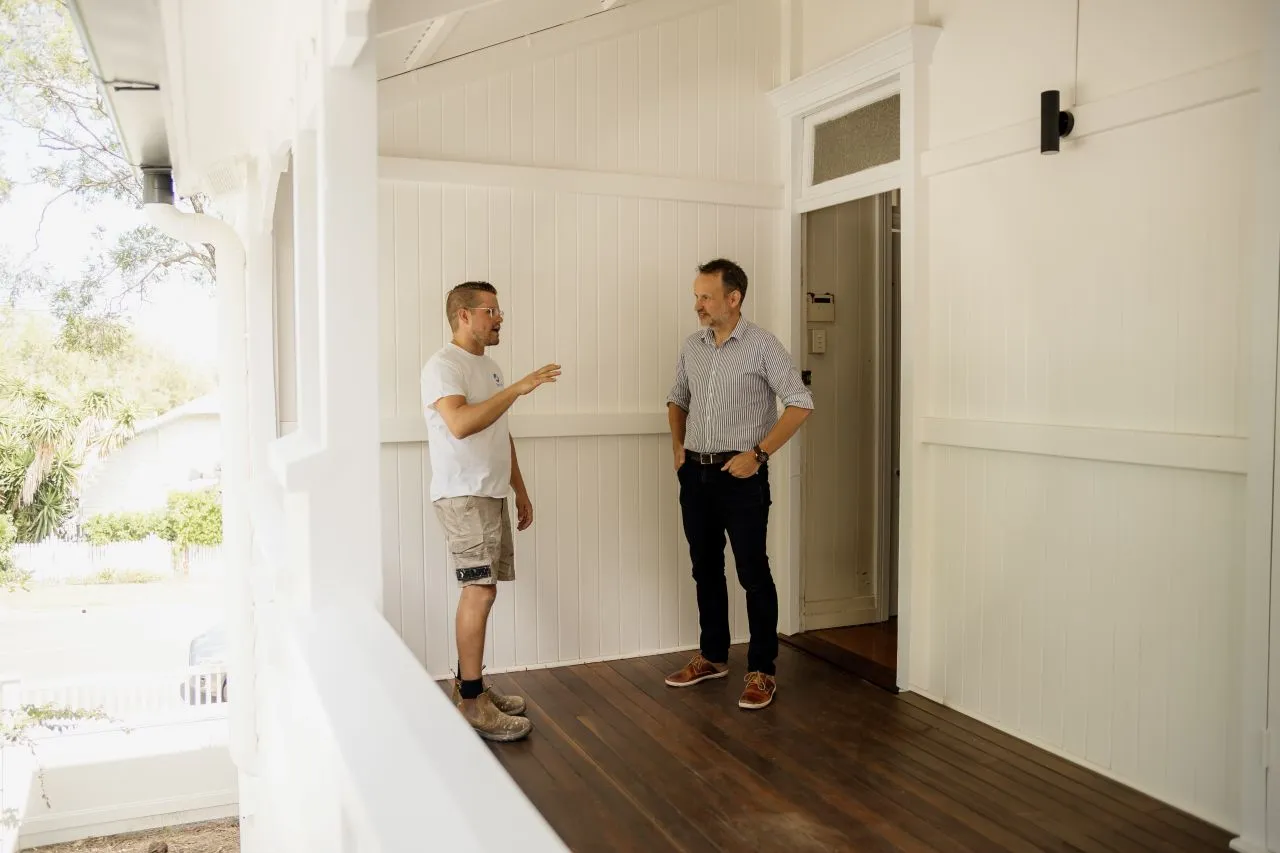
Brisbane's humid subtropical climate leads to summer conditions that significantly differ from those in Melbourne or Sydney. During summer, the city often experiences humidity levels exceeding 70% and a wet season from late November through February. This timeframe is characterized by frequent afternoon storms and high UV exposure, particularly affecting north and west-facing walls.
For water-based exterior paints to cure properly, they need to release moisture from the paint film. When humidity levels are high, this process is hindered. If a storm occurs shortly after applying the second coat, the homeowner will bear the consequences, not the painter.
This situation underscores the importance of timing in Brisbane, especially when compared to southern regions.
Maximizing Your Exterior Painting: Choosing the Right Timeframe from April to Early November
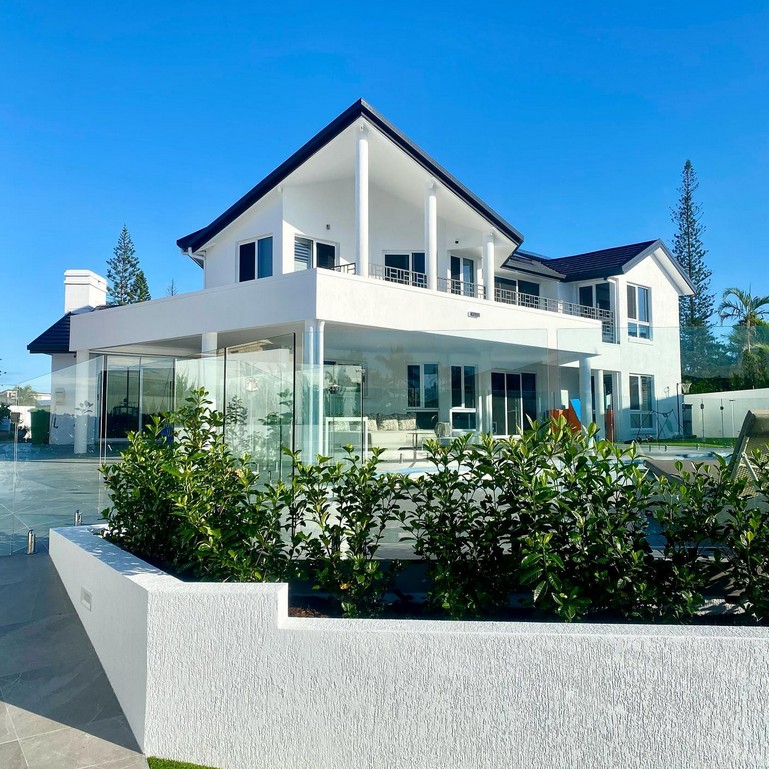
The exterior painting season in Brisbane typically lasts from April to early November, offering approximately seven months of favorable conditions. it’s crucial to understand that not every month provides the same advantages.
April to May — The Optimal Time for Painting
This period is the best time of the year for painting projects. After the wet season concludes in March, humidity levels drop significantly, and storm activity becomes less frequent. Daytime temperatures range comfortably from 22°C to 26°C, while mild nighttime temperatures ensure even and effective paint curing. The quality of application remains high, with drying occurring within the expected timeframe, allowing the finish to solidify well before the next wet season arrives. If you can only choose one timeframe to paint, make it this one.
June to July — Manageable Conditions with Key Considerations
Winter in Brisbane is relatively mild compared to other regions, featuring low humidity and dry days without storms, with daytime temperatures typically between the high teens and low twenties. While this period remains workable, it is essential to exercise caution.
Be mindful of cooler nights. Many high-quality exterior paints recommend a minimum surface temperature of around 10°C for optimal curing. There are occasional winter mornings where surface temperatures may dip below this threshold, particularly on shaded south-facing walls. We can address this by adjusting our scheduling and selecting the most appropriate products, but it's an important factor to consider. Roof painting during winter is generally acceptable since surfaces warm up quickly in sunlight.
August to Early November — Final Preparations for the Wet Season
As daytime temperatures rise, humidity remains manageable, and longer days provide more drying time for our crews. The period from August to October is particularly favorable for painting, with early November still suitable but indicating the approaching storm season. It is crucial to complete all jobs and ensure thorough curing before conditions worsen.
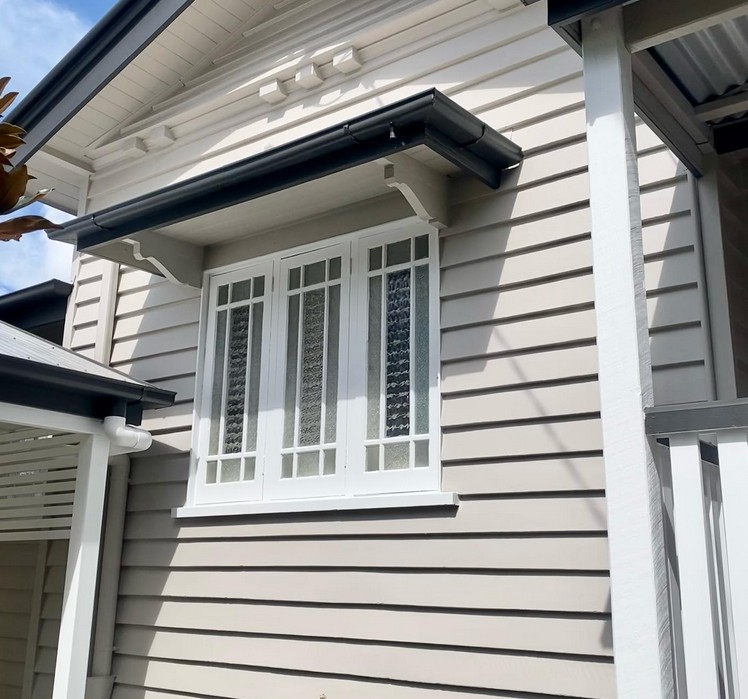
Why Summer (December to March) Demands Caution for Painting Projects
During the summer months, our work continues, but we assess each project individually.
Smaller tasks, touch-ups, and projects adjacent to interiors can proceed during summer. For larger full repaints, we discuss the inherent risks and timing involved with homeowners. If we decide to proceed, we start early, applying coats before the peak afternoon heat and humidity. By the time late-afternoon storms arrive, the paint will have had ample time to adhere.
We will not undertake a full exterior repaint under summer conditions simply to stick to our schedule. If it’s wiser to wait until April, we will communicate that to you. Most homeowners appreciate our honesty.
The challenges posed by summer conditions are significant:
- Humidity often exceeds 70% and can even rise above 85% before storms.
- Water-based paint struggles to expel moisture in already-saturated air, leading to tacky finishes that fall short of quality standards.
- Afternoon storms are almost daily occurrences from December to February. Even a brief downpour shortly after application can jeopardize a fresh coat on render, weatherboard, or fascia.
- Surface temperatures on dark north and west walls may exceed 35°C by midday, causing paint to dry too quickly on the surface and trapping moisture underneath.
While these conditions can be challenging, they are manageable on the right day with the appropriate scope of work. This is precisely why we evaluate each situation rather than automatically scheduling jobs.
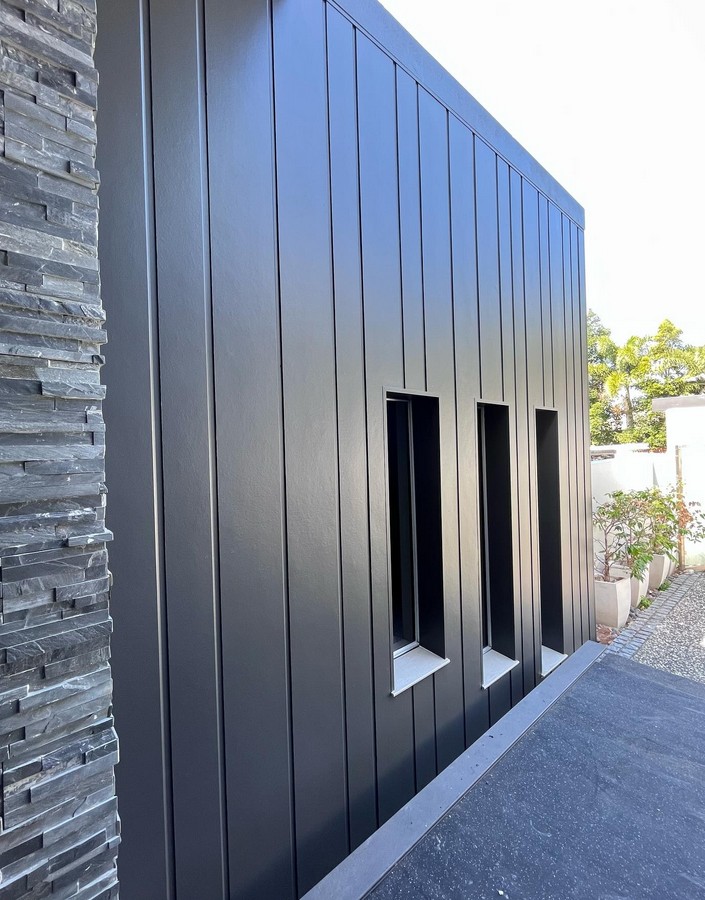
A Clear Overview of the Paint Curing Process
Water-based exterior paint undergoes a curing process in two distinct stages. Initially, water evaporates from the paint film within the first few hours. Subsequently, the binder solidifies over the next several weeks as it interacts with the air.
Two primary factors can disrupt the initial phase of this curing process:
- High humidity levels—water has nowhere to escape.
- Rain occurring within 2 to 4 hours of application—this reintroduces moisture into the paint film before it has fully set.
If either of these issues arises, the surface may appear fine, but the underlying bond could be compromised. Homeowners might encounter problems within a year, such as uneven fading, lifting at the edges, or even mould growth.
Days When Painting Should Be Avoided, Regardless of Season
Some days are simply not suitable for painting, no matter the season:
- Forecasts predicting rain within the next 24 hours.
- Humidity levels exceeding 85%.
- Surface temperatures below 10°C or above 35°C.
- Expected heavy dew overnight on freshly painted surfaces.
- Strong winds carrying dust or salt spray onto wet paint.
Identifying Our Ideal Clients
- You appreciate exceptional craftsmanship: We dedicate ample time to thorough preparation. We do not rush the prep work to cut costs.
- You prefer to plan ahead: Our main window (April to early November) typically fills up months in advance. Reach out early, and we will schedule your project for the most suitable season.
- You want a licensed painter who stands behind their work: Licence 15315253. Always verify on the QBCC public register before hiring any painter, including ours.
- Your roof needs attention but is structurally sound: Roof painting is one of our standard services—quoted separately and sealed correctly to withstand Brisbane's intense sun.
Who We Are Not the Right Fit For
- You’re searching for the lowest price in Brisbane: We do not offer the cheapest option. We are the dedicated painters committed to quality work over the long term.
- You expect shortcuts in preparation: We do not rush prep work. If a job requires a week, we will schedule it accordingly.
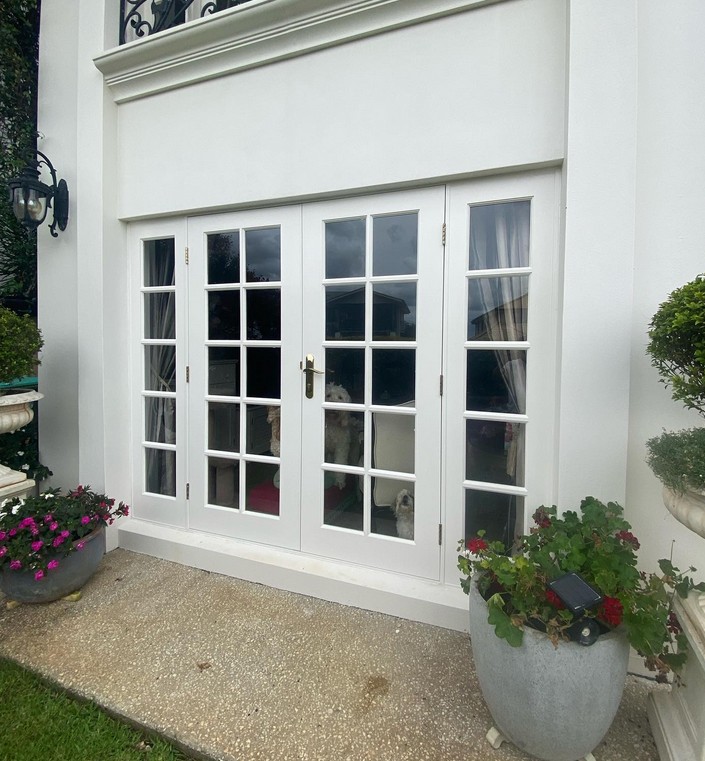
Our Effective Strategies at Barton’s for Navigating Brisbane’s Unique Painting Conditions
- Starting early on humid days: This strategy allows for optimal evaporation before the afternoon heat sets in.
- Real-time weather monitoring: If forecasts change, we may need to cancel work and reschedule as necessary.
- Selecting primers tailored to specific surfaces and orientations: North and west walls receive the harshest UV exposure and require different products than south-facing walls.
- Implementing a two-coat minimum for north and west elevations: Applying a single coat on a north wall in Brisbane is a false economy—visible fading will occur within two summers.
- Timing roof painting to ensure dew has cleared: We delay roof coating until the surface is dry, which often means a later start in winter.
- Ensuring our work is licensed and insured: Always check our QBCC licence on the public register before hiring any painter, including ours.
Your Questions About Exterior Painting Answered
Is It Possible to Paint My Exterior During Summer in Brisbane?
It depends on the specifics of the job. Smaller tasks, touch-ups, and repairs can proceed during summer; we start early and aim to finish before peak heat and humidity. Full exterior repaints are evaluated on a case-by-case basis. If we believe it’s wiser to wait until autumn, we will inform you upfront. We prefer to have an open discussion rather than risk delivering an unsatisfactory finish.
Can I Paint My Exterior During Winter in Brisbane?
Yes, generally speaking. The mild, dry days of June and July are suitable for most products. We monitor overnight temperatures and avoid heavily shaded south walls during the coldest weeks.
Is Roof Painting Scheduled During the Same Season as Wall Painting?
Yes, the timeframe from April to early November is equally ideal for roof painting. Winter roof painting is typically acceptable on sunny days since the roof surface heats up quickly. Summer roof work undergoes the same evaluation as wall painting—smaller tasks and early starts can be effective, while larger projects might be better suited for autumn or spring.
Will Summer Rain Affect a Paint Job Completed Last Spring?
No, as long as the paint has cured properly. A fully cured exterior coat can withstand summer storms without issues. The concern arises when rain impacts uncured paint, not fully cured surfaces.
How Long Does an Exterior Repaint Usually Take?
Most standard Brisbane homes require between three to seven working days to complete, depending on size, necessary preparation, and weather conditions. Projects involving two-storey homes or extensive prep work may take longer.
Do You Provide Guarantees Against Humidity-Related Issues?
We stand behind our workmanship, which includes choosing the right days and conditions for applying paint. We will not proceed with painting in conditions that could compromise the integrity of the product. If a summer job requires an early start or a weather delay, we will ensure that happens.
How Can I Verify That a Painter is QBCC Licensed?
In Queensland, residential painters undertaking jobs exceeding $3,300 must possess a QBCC licence. You can verify a painter's licence by searching their business name on the QBCC public register. This process is quick and takes less than a minute.
Book Your Next Painting Appointment with Barton’s Painting Today
We are Barton’s Painting, located in Redlands and proudly serving South Brisbane. If you're planning a repaint in 2026, our autumn slots are filling up quickly. Contact us for clear insights regarding timing and pricing for your project.
Original Article First Published At: Best Time of Year to Paint Your Brisbane Home (Hint: It’s Not Summer)
The Article: Best Time to Paint Your Brisbane Home: Avoid Summer first appeared on https://writebuff.com
The Article Best Time to Paint Your Brisbane Home: Skip the Summer Heat Was Found On https://limitsofstrategy.com