Key Techniques for Preparing Dried Chickpeas to Perfection
Best Practices for Soaking Chickpeas to Achieve Ideal Texture
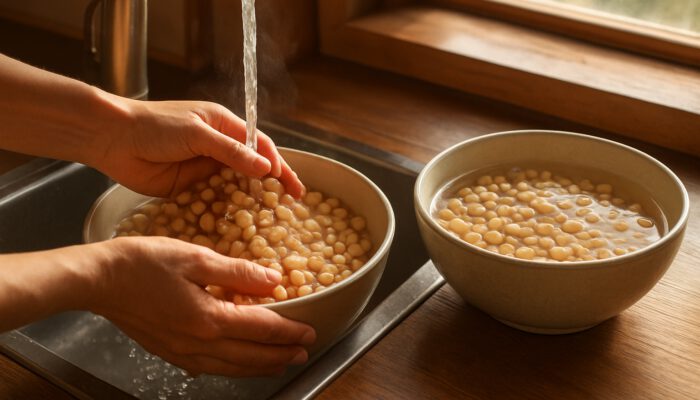
Start your chickpea preparation process by thoroughly rinsing them under cold water. This essential step removes any dust or contaminants that may cling to the beans. After rinsing, place the chickpeas in a large bowl filled with cold water to soak overnight. This method not only significantly reduces cooking time but also enhances the digestibility of the chickpeas, promoting better nutrient absorption. In Australian kitchens, this traditional technique seamlessly integrates into meal prep routines, ensuring your chickpeas are ready when needed.
While soaking times can vary, a minimum of eight hours is recommended. If you’re short on time, a quick soak can be achieved by boiling the chickpeas for two minutes, then letting them sit in hot water for an hour. Although this method is effective, it may not yield the same texture as the overnight soaking technique. Regardless of the method you choose, ensuring the chickpeas are adequately hydrated is key to achieving that desired tender bite.
Soaking chickpeas helps to preserve their natural flavors, which is especially beneficial for recipes where chickpeas take center stage. When cooked correctly, they should retain a slight firmness, making them suitable for a variety of dishes beyond just hummus. Proper preparation lays the groundwork for delightful meals that showcase the unique qualities of chickpeas.
Quick Cooking Methods Using a Pressure Cooker
Using a pressure cooker is an effective way to quickly soften chickpeas while maintaining their desired texture. In just thirty minutes, you can achieve perfectly cooked chickpeas that are both firm and tender, making them ideal for numerous dishes. This technique is particularly beneficial for busy households where time is limited, yielding consistent results without requiring constant supervision.
When using a pressure cooker, follow the manufacturer’s instructions specific to your appliance. Generally, you should place soaked chickpeas in the cooker, ensuring they are covered with water by a few inches. To enhance flavor, consider adding aromatics like garlic or onion to the cooking liquid. This not only imparts a subtle taste to the chickpeas but also fills your kitchen with enticing aromas.
After cooking, allow the pressure to release naturally for optimal results. This method encourages even cooking and helps the chickpeas maintain their shape. Once cooked, they can be used in a variety of recipes, from salads to stews, highlighting their versatility in the kitchen.
Boosting Chickpea Flavor with Seasoning During Cooking
Seasoning chickpeas during the cooking process is an excellent way to enhance their inherent earthiness. A straightforward method involves adding bay leaves and garlic cloves to the cooking water. This infusion creates a subtle aroma that beautifully complements the chickpeas, making them more flavorful and appealing. This often-overlooked technique can significantly elevate your dishes.
You can also experiment with a variety of spices during cooking. Adding cumin, coriander, and smoked paprika to the water can enrich the overall flavor profile. These spices not only enhance taste but also allow the chickpeas to adapt to various culinary styles, from Middle Eastern to Mediterranean cuisines. Striking the right balance with spices is essential; they should elevate rather than overwhelm the chickpeas’ natural flavor.
Once cooked, the seasoned chickpeas can be used immediately or stored for later use. Their enhanced flavor makes them perfect for salads, soups, or even as a standalone snack. Taking the time to season them during cooking ensures that every bite is packed with flavor, making your meals more satisfying and enjoyable.
Creative Chickpea Recipe Ideas Beyond Traditional Hummus
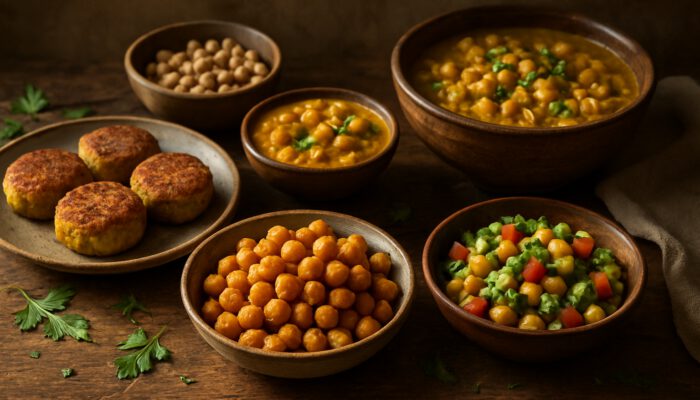
Techniques for Achieving Flavor Balance in Chickpea Dishes
Creating a well-balanced flavor profile in chickpea dishes is crucial for developing depth and complexity. Seasoned cooks often recommend starting with a base of spices and gradually increasing the heat. This approach allows for careful monitoring of flavors, ensuring that the chickpeas’ natural taste remains prominent. For example, pairing warm spices like cumin and coriander can enhance the dish while satisfying the palate.
Recognizing the role of acidity in flavor balance is equally important. Adding a splash of lemon juice or vinegar towards the end of cooking can brighten the dish, cutting through richness and perfectly pairing with the chickpeas. This technique is particularly effective in stews and curries, where chickpeas absorb surrounding flavors, resulting in a harmonious blend.
Exploring various herbs and spices can lead to delightful culinary discoveries. Fresh herbs like parsley, cilantro, or mint can introduce a refreshing element, while spices such as turmeric or cinnamon can provide warmth. The key is to taste as you go, adjusting the seasoning to achieve that perfect balance that transforms chickpea dishes into unforgettable meals.
Practical Steps for Meal Preparation with Chickpeas
Effective meal planning is essential for seamlessly integrating dried chickpeas into your cooking routine. Begin by cooking large batches of chickpeas at once. This not only saves time but also ensures you have a versatile ingredient ready for a variety of meals throughout the week. Once cooked, portion the chickpeas into airtight containers for refrigeration or freezing, making them easily accessible.
For quick assembly on busy days, consider pre-mixing chickpeas with additional ingredients. For instance, create a chickpea salad by combining them with diced vegetables and a light dressing. This not only enhances flavor but also provides a convenient option for a nutritious meal on the go. Preparing these components ahead of time can streamline your cooking process, allowing you to enjoy healthy meals without the hassle.
Another useful strategy is to incorporate chickpeas into diverse cuisines. They can serve as the foundation for Mediterranean bowls, be included in Indian curries, or tossed into Asian stir-fries. This adaptability allows you to use the same ingredient in various ways, keeping your meals interesting and varied while promoting efficient use of your kitchen time.
Delicious Pairing Ideas for Chickpeas
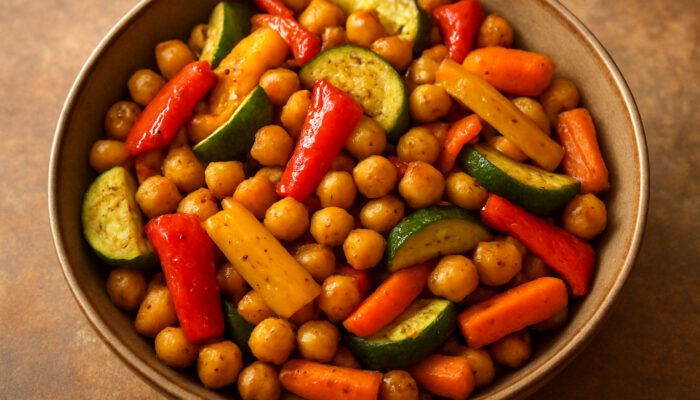
Chickpeas are incredibly versatile and can be paired with a wide variety of ingredients to create hearty meals. For example, combining chickpeas with roasted vegetables such as bell peppers, zucchini, and carrots can yield a colorful and satisfying dish. The sweetness of the roasted vegetables complements the nutty flavor of the chickpeas, creating a balanced plate that is both nutritious and delicious.
Another delightful combination involves chickpeas and fresh herbs like parsley and mint. This pairing works exceptionally well in salads or as a garnish for grain bowls. The herbs add a refreshing note that brightens the dish, making it ideal for warm weather or casual dining. Consider drizzling some tahini or squeezing a bit of lemon juice for an extra flavor boost.
For a heartier option, mix chickpeas with grains like quinoa or farro. This not only adds texture but also creates a complete protein source, making it an excellent choice for vegetarian or vegan meals. By experimenting with various combinations, you can discover new ways to enjoy chickpeas that seamlessly fit into your everyday cooking.
How Can You Integrate Chickpeas into Your Daily Meals?
Creative Alternatives to Mashed Chickpeas
Cooked chickpeas can be transformed into delightful spreads by mashing them with olive oil and lemon juice. This simple blend creates a creamy base that works well for sandwiches, wraps, or as a dip for fresh vegetables. The protein-rich nature of chickpeas makes this a nutritious option for quick lunches or snacks.
To prepare a basic chickpea mash, drain and rinse your cooked chickpeas. In a bowl, combine them with a generous drizzle of olive oil and the juice of half a lemon. Use a fork or potato masher to blend until you reach your desired consistency. You can also add garlic, herbs, or spices to enhance the flavor, creating a versatile spread that can be customized to your liking.
This mash can serve as the foundation for more elaborate dishes. For instance, layer it with roasted vegetables and greens for a satisfying sandwich or use it as a topping for baked potatoes. The possibilities are endless, and this straightforward technique allows you to enjoy the benefits of chickpeas in various forms.
What Makes Chickpeas a Great Addition to Curries?
Chickpeas are an excellent ingredient for curries due to their ability to absorb spices and flavors. When cooked slowly in a rich sauce, they become tender and soak up the aromatic essence of the dish. This quality makes them a staple in many cuisines, particularly in Indian and Middle Eastern cooking, where they provide both substance and nutrition.
In curries, chickpeas offer a satisfying texture that complements the creaminess of coconut milk or the tanginess of tomatoes. Their earthy flavor balances beautifully with spices like turmeric, cumin, and garam masala, creating a harmonious blend that is both comforting and delicious. This adaptability allows for creative variations, whether you prefer a spicy chickpea curry or a milder version featuring vegetables.
For a nourishing family dinner, consider preparing a chickpea curry with seasonal vegetables. Start by sautéing onions, garlic, and ginger, then incorporate your spices and chickpeas. Pour in some coconut milk or diced tomatoes, and let the mixture simmer until all ingredients are cooked through. Serve it over rice or with naan for a complete meal that is sure to please everyone at the table.
Incorporating Chickpeas into Stir-Fries
Adding chickpeas to vegetable stir-fries is a fantastic way to boost protein content without disrupting the dish’s timing or flavor profile. Introduce chickpeas to the pan near the end of cooking, allowing them to heat through while retaining their crunch. This method ensures you enjoy both a nutritious boost and satisfying texture.
To include chickpeas in your stir-fry, start with your favorite vegetables, such as bell peppers, broccoli, and snap peas. Sauté these in a hot pan with a splash of oil until they are crisp-tender. Then, add in your cooked chickpeas along with any sauces or seasonings you prefer, such as soy sauce, sesame oil, or ginger. Stir everything together for a few minutes, allowing the flavors to meld.
This technique not only enhances the nutritional value of your meal but also adds variety to your cooking. Chickpeas absorb the flavors of the sauces used, making them adaptable to various cuisines, from Asian-inspired dishes to Mediterranean flavors. Their versatility makes them an excellent addition to your everyday cooking repertoire.
Elevating Chickpea Salads
Incorporating rinsed and drained chickpeas into your favorite garden salads can provide a hearty protein boost. Chickpeas add texture and substance, making salads more filling and nutritious. This is particularly beneficial for quick lunches or as vibrant side dishes during summer gatherings.
To create a delicious chickpea salad, start with a base of mixed greens or spinach. Add diced cucumbers, cherry tomatoes, and sliced red onion for freshness. Toss in a generous amount of rinsed chickpeas, followed by a drizzle of light vinaigrette made from olive oil, lemon juice, and a pinch of salt. This combination not only enhances flavor but also makes the salad visually appealing.
For added crunch and flavor, consider including nuts or seeds such as toasted almonds or sunflower seeds. These ingredients contribute healthy fats and elevate the overall taste and texture of the salad. Preparing chickpea salads in advance and storing them in airtight containers can ensure they remain fresh for quick lunches throughout the week.
Crafting Crunchy Roasted Chickpea Snacks
Roasting chickpeas is a delightful way to create a nutritious snack that is both flavorful and crunchy. By tossing cooked chickpeas with olive oil and your choice of spices before roasting them in a hot oven, you can achieve a satisfying texture perfect for on-the-go snacking. This method is straightforward and can be tailored to suit your taste preferences.
To prepare roasted chickpeas, begin by preheating your oven to around 200°C (400°F). Drain and rinse your cooked chickpeas, then pat them dry with a kitchen towel. In a bowl, toss the chickpeas with olive oil, salt, and any spices you prefer—cumin, paprika, or garlic powder work wonderfully. Spread them on a baking sheet and roast for about 30-40 minutes, shaking the pan occasionally to ensure even cooking.
Once roasted, these chickpeas turn crunchy and flavorful, making them an excellent alternative to traditional snacks like chips or crackers. They provide sustained energy and are perfect for munching while working or during a movie night. Experimenting with different spice combinations can lead to exciting flavor profiles that keep this healthy snack interesting.
Chickpea Salads and Bowls: A Flexible Approach
Incorporating Fresh Herbs for Enhanced Flavor
Mixing chickpeas with fresh herbs is an excellent strategy for crafting refreshing salads and bowls that help maintain energy levels during hectic days. Herbs such as parsley and mint not only add vibrant color but also enhance the overall flavor profile of the dish. This method is especially popular in Mediterranean cuisine, where fresh ingredients are paramount.
To create a herb-infused chickpea salad, start with a base of cooked chickpeas. Add chopped parsley, mint, and diced cucumbers for a refreshing crunch. Drizzle with olive oil and lemon juice to bring all the components together. This simple yet delicious combination is perfect for a light lunch or as a side dish for gatherings.
For added texture, consider incorporating grains such as quinoa or bulgur. These ingredients complement the chickpeas and herbs beautifully, creating a wholesome meal that is both filling and nutritious. The blend of flavors and textures makes this a versatile option suitable for year-round enjoyment.
Utilising Grain Blends for Wholesome Meals
Combining chickpeas with grains like quinoa or brown rice results in hearty salads that balance textures while delivering complete proteins in one serving. This approach not only enhances the nutritional value of the meal but also provides a satisfying base for various toppings and dressings.
To prepare a chickpea and grain salad, start by cooking your chosen grain according to package instructions. Once cooked, allow it to cool slightly before mixing it with rinsed chickpeas, diced vegetables, and fresh herbs. A simple vinaigrette made from olive oil, vinegar, and mustard can be drizzled over the top to harmonise all the flavors.
This type of salad is ideal for meal prep, as it can be made in advance and stored in the fridge for several days. The flavors continue to develop, making it a delicious option for quick lunches or side dishes. By varying the grains and vegetables used, you can create endless combinations that keep your meals exciting and nutritious.
Crafting Flavorful Dressings for Chickpeas
Creating light vinaigrettes to dress chickpea salads can significantly enhance taste while focusing on wholesome ingredients. A well-made dressing can elevate the flavors of the salad, making each bite more enjoyable. Consider using a base of olive oil combined with vinegar or citrus juice for a refreshing finish.
For a basic vinaigrette, mix three parts olive oil to one part vinegar, such as balsamic or red wine vinegar. Add a teaspoon of mustard for an extra kick and season with salt and pepper. This dressing can be quickly whisked together and drizzled over your chickpea salad just before serving, ensuring everything is well-coated.
You can also experiment with different flavor profiles by incorporating herbs, garlic, or even a touch of honey for sweetness. The versatility of dressings allows you to tailor your salads to your taste preferences, enhancing the overall dining experience. A well-dressed chickpea salad can become a highlight of any meal, showcasing the beauty of simple yet delicious ingredients.
Adding Nutty Crunch to Salads
Sprinkling toasted almonds or sunflower seeds over chickpea salads introduces healthy fats and a delightful crunch that enhances enjoyment. These additions not only provide texture but also contribute essential nutrients, making your salads more satisfying and nutritious. This approach is particularly beneficial for those looking to increase their intake of healthy fats.
To incorporate nuts or seeds into your chickpea salad, start by toasting them in a dry pan over medium heat until golden brown. This process releases their natural oils and enhances their flavor. Once toasted, allow them to cool before adding them to your salad mixture. The result is a satisfying crunch that contrasts beautifully with the softness of the chickpeas.
Beyond their flavor and texture, nuts and seeds also provide a boost of protein and fiber, making your salad a more complete meal. This is especially important for individuals following vegetarian or vegan diets. By including these components, you can create a well-rounded dish that is both delicious and nourishing, perfect for busy lifestyles.
Meal Prep and Storage Strategies for Chickpea Salads
Preparing chickpea salads in advance can save time and ensure you have healthy meals ready to go throughout the week. Storing them in airtight containers in the fridge helps maintain freshness and flavor, making it easy to grab a nutritious lunch or snack. This is particularly advantageous for families or individuals with hectic schedules.
When meal prepping, consider making a large batch of chickpea salad at the beginning of the week. This allows you to portion it out for lunches or quick dinners. To keep the salad fresh, store the dressing separately and add it just before serving. This prevents the ingredients from becoming soggy and ensures that each bite remains crisp and flavorful.
You might also consider varying the ingredients each week to keep your meals interesting. Switch up the vegetables, grains, and dressings to create new flavor combinations while still enjoying the base of chickpeas. This approach promotes healthy eating habits and makes meal prep a fun and creative process.
Which Ingredients Pair Exceptionally with Chickpeas?
Vegetable Companions that Enhance Chickpeas
Chickpeas pair well with a diverse array of vegetables, creating colorful and nutrient-rich plates. Root vegetables like carrots and sweet potatoes provide a natural sweetness that contrasts beautifully with the earthiness of chickpeas. This combination is particularly delightful when roasted, as the caramelization enhances the flavors.
To root vegetables, leafy greens such as spinach or kale can beautifully elevate chickpeas. These greens add a fresh element to dishes while supplying essential vitamins and minerals. Consider tossing chickpeas with sautéed greens and garlic for a simple yet flavorful side dish that showcases their versatility.
Other excellent vegetable companions include bell peppers, zucchini, and broccoli. These can be incorporated into salads, stir-fries, or grain bowls, allowing for endless combinations. By experimenting with different vegetable pairings, you can create vibrant and nutritious meals that highlight the adaptability of chickpeas in everyday cooking.
Spice Blends That Elevate Chickpea Dishes
Cumin and coriander are two spices that enhance the savory notes in chickpea recipes, resulting in aromatic dishes that transform simple preparations into memorable meals. These spices are frequently utilized in various cuisines, particularly in Middle Eastern and Indian cooking, where chickpeas are a staple ingredient.
When incorporating spices, consider balancing the flavors. Start with a small amount and gradually increase based on your preference. Cumin adds warmth and depth, while Coriander provides a citrusy brightness that beautifully complements chickpeas. Exploring these spices can lead to delightful culinary discoveries.
Other spices that pair excellently with chickpeas include smoked paprika, turmeric, and garam masala. Each of these spices adds a unique dimension to your dishes, making them more exciting and enjoyable. By incorporating a variety of spices, you can create diverse meals that highlight the versatility of chickpeas in your cooking.
Protein Options to Enhance Chickpea-Based Dishes
Including proteins like eggs or cheese alongside chickpeas can increase satiety and variety in recipes while maintaining a focus on plant-based foundations. This is particularly beneficial for those aiming to create well-balanced meals that keep hunger at bay. For example, adding a poached egg on top of a chickpea salad provides a rich, creamy element that enhances the dish.
Cheeses such as feta or goat cheese pair beautifully with chickpeas, adding a tangy flavor that complements their earthiness. Crumbling cheese over salads or grain bowls elevates the overall taste and texture, making the meal more satisfying. This combination is especially popular in Mediterranean-inspired dishes.
Incorporating other protein sources, such as grilled chicken or tofu, can also enhance chickpea-based meals. This versatility allows for creative combinations that cater to different dietary preferences while ensuring a well-rounded meal. By experimenting with various protein additions, you can create delicious and nutritious dishes that highlight chickpeas as a key ingredient.
Research-Backed Health Benefits of Chickpeas Beyond Hummus
Scientific Evidence of Chickpeas’ Fiber Benefits
Regular consumption of chickpeas supports digestive health due to their high fiber content, making them a wise addition to balanced diets worldwide. Studies indicate that fiber-rich diets aid digestion and prevent issues like constipation. Chickpeas are an excellent source of both soluble and insoluble fiber, offering numerous health advantages.
Incorporating chickpeas into meals can be as simple as adding them to salads, soups, or stews. For instance, a hearty chickpea and vegetable stew can deliver a substantial fiber boost while being both delicious and filling. This makes chickpeas a practical choice for individuals seeking to improve their overall dietary habits.
The fiber in chickpeas may also promote a feeling of fullness, which can assist in weight management. Including chickpeas in your meals allows you to enjoy satisfying dishes that curb hunger while supporting digestive health.
Effective Portion Control Strategies
Accurately measuring servings during recipe development is crucial for maximizing nutritional benefits without excess calories. For chickpeas, a standard serving size is typically around half a cup of cooked chickpeas, providing a balanced amount of protein and fiber. This helps ensure that meals remain satisfying while promoting healthy eating habits.
To encourage portion control, consider using measuring cups or a kitchen scale when cooking. This practice aids in maintaining balanced meals and allows for better tracking of nutritional intake. By being mindful of portion sizes, you can enjoy the benefits of chickpeas without overindulging.
In meal prep, dividing cooked chickpeas into individual portions can also assist with portion control. Store them in transparent containers to encourage mindful eating and make it easier to grab a healthy snack or add to meals throughout the week. This approach supports healthy habits and can lead to long-term dietary success.
Expert Insights on Plant Protein Sources
Chickpeas serve as an effective source of plant protein when paired correctly, supporting muscle maintenance across diverse dietary approaches. For individuals following vegetarian or vegan diets, chickpeas are an excellent protein source, making them a staple in many plant-based meal plans. They provide approximately 15 grams of protein per cooked cup, making them a satisfying option.
To maximize the protein benefits, consider combining chickpeas with other protein sources. For instance, pairing them with whole grains like brown rice or quinoa creates a complete protein profile, ensuring you receive all essential amino acids. This combination is particularly beneficial for individuals who may not consume animal products.
Incorporating chickpeas into meals can be achieved in various ways, from soups and stews to salads and grain bowls. Their adaptability means they can fit into numerous cuisines, making it easy to enjoy their nutritional benefits while exploring different flavors and cooking styles.
Incorporating Chickpeas into Baked Goods and Desserts
Techniques for Flour Substitution with Chickpeas
Grinding cooked chickpeas into flour is an innovative method for incorporating them into gluten-free baking, adding moisture and nutrition to muffins or breads. Chickpea flour, often referred to as besan or gram flour, is a versatile ingredient that can enhance the texture and flavor of baked goods, making them more nutritious.
To utilize chickpea flour in your baking, consider substituting it for a portion of regular flour in recipes. For example, replacing up to 25% of the all-purpose flour with chickpea flour can introduce a unique flavor and increase the protein content. This method works well for recipes involving pancakes, muffins, or even cookies.
Chickpea flour can also be used to create gluten-free flatbreads or pancakes, offering a delicious alternative for those with dietary restrictions. By experimenting with chickpea flour, you can create baked goods that are not only tasty but also packed with nutrients, making them a valuable addition to your baking repertoire.
Innovative Sweet Treats Using Chickpeas
Blending chickpeas with cocoa and dates can produce energy balls that satisfy cravings while providing sustained-release carbohydrates suitable for snacks. This innovative approach to utilizing chickpeas in sweets allows you to indulge in a treat that is both delicious and nutritious, making it an ideal option for busy days.
To make chickpea energy balls, begin by blending cooked chickpeas with cocoa powder, pitted dates, and a dash of vanilla extract in a food processor. Once the mixture is smooth, roll it into bite-sized balls and refrigerate until firm. These energy balls are not only easy to prepare but also offer a great source of protein and fiber, making them a guilt-free indulgence.
Feel free to experiment with different flavor combinations by adding nuts, seeds, or dried fruits to the mixture. This versatility allows you to create a range of sweet treats that cater to your taste preferences while incorporating the health benefits of chickpeas. Enjoy these energy balls as a quick snack or a post-workout boost.
Tips for Achieving the Perfect Cookie Texture
Incorporating mashed chickpeas into cookie dough can yield chewy results, enhancing both taste and health profile naturally. This technique not only adds moisture but also boosts the nutritional content of your cookies, making them a more wholesome treat.
To use chickpeas in cookie recipes, start by mashing cooked chickpeas until smooth. Then, blend them into your cookie dough along with the other ingredients. This addition can help create a chewy texture while providing extra protein and fiber. Cookies made with chickpeas can be just as delicious as traditional recipes while offering added health benefits.
Experimenting with different flavors can yield delightful outcomes. Consider adding chocolate chips, nuts, or spices like cinnamon to complement the chickpeas. By incorporating chickpeas into your baking, you can create tasty treats that are both satisfying and nourishing, perfect for sharing with family and friends.
Best Practices for Storing Cooked Chickpeas
Guidelines for Refrigerating Chickpeas
To keep cooked chickpeas fresh, store them in airtight containers in the refrigerator for up to five days. This method ensures they remain safe to eat while preventing spoilage through proper cooling techniques. Well-sealed containers also help preserve their flavor and texture, making them ready for a variety of dishes.
When storing cooked chickpeas, allow them to cool completely before placing them in the fridge. This prevents condensation from forming inside the container, which can lead to spoilage. Labeling the containers with the date can help you monitor their freshness, ensuring you use them within the recommended timeframe.
If you have surplus cooked chickpeas, consider freezing them for longer storage. This allows you to have a convenient ingredient on hand for future meals. Properly stored, frozen chickpeas can last for several months, making them a practical option for meal prep and quick cooking.
Steps for Freezing Chickpeas Effectively
Portioning cooked chickpeas into freezer bags after cooling is an effective way to lock in quality and allow convenient access for future recipes. Freezing them in individual portions makes it easy to grab exactly what you need for a meal without thawing an entire batch. This method is particularly useful for busy cooks who want to streamline their meal prep.
To freeze cooked chickpeas, spread them out on a baking sheet in a single layer and place them in the freezer for a few hours until solid. Once frozen, transfer the chickpeas to labeled freezer bags, removing as much air as possible before sealing. This helps prevent freezer burn and maintain their quality over time.
When you’re ready to use the frozen chickpeas, simply take the desired portion from the freezer and let them thaw in the fridge or at room temperature. They can then be added to soups, stews, or salads, providing a nutritious boost to your meals without extensive preparation.
Effective Labeling Practices for Storage
Clearly marking storage dates on containers is crucial for tracking usage and maintaining organization in the kitchen. This simple step can help prevent food waste and ensure that you use cooked chickpeas and other ingredients while they are still fresh. A clear label allows you to quickly see how long the chickpeas have been stored.
Consider using a permanent marker or labels to indicate the date of cooking or freezing on your containers. This practice can be particularly helpful during meal prep, allowing you to keep track of what needs to be consumed first. Organizing your fridge and freezer with labeled containers can also streamline your cooking process, making it easier to find ingredients when needed.
By implementing effective labeling practices, you can promote better food management and make your cooking experience more efficient. This not only supports healthy eating habits but also ensures that you make the most of your ingredients, reducing waste and enhancing your overall culinary efforts.
Exploring Innovative Flavor Experimentation Tips for Chickpeas
Infusing Herbs into Chickpea Dishes
Steeping fresh rosemary in chickpea dishes during cooking introduces aromatic layers that effectively complement their mild taste. This technique allows the herbs to infuse their flavor into the chickpeas, creating a more complex and enjoyable dish. Fresh herbs can elevate even the simplest recipes, transforming them into something special.
To infuse chickpeas with herbs, simply add a few sprigs of rosemary or your herb of choice to the cooking water or sauce. Allow them to simmer together, letting the flavors meld. This method works particularly well in soups, stews, or curries, where the chickpeas have time to absorb the aromatic qualities of the herbs.
Experimenting with different herbs can lead to exciting flavor combinations. For example, pairing chickpeas with thyme or sage can create a comforting dish, while basil and oregano can add a Mediterranean flair. By incorporating herb infusion techniques, you can enhance the overall flavor profile of your chickpea recipes, making them more satisfying and enjoyable.
Strategies for Balancing Acidity in Dishes
Adding vinegar or citrus juice at the final stage of cooking can brighten flavors and cut richness, producing vibrant profiles across numerous recipe styles. This technique is particularly effective in chickpea dishes, where the natural earthiness can benefit from a touch of acidity. A splash of lemon juice or a drizzle of balsamic vinegar can transform a dish, making it more lively and appealing.
To implement this strategy, consider adding your chosen acid just before serving. This ensures that the brightness remains intact and enhances the overall flavor. For example, a squeeze of lemon juice over a chickpea salad can elevate its freshness, while a dash of vinegar in a stew can add depth and complexity.
Experimenting with various types of acids can lead to delightful discoveries. Try using apple cider vinegar, red wine vinegar, or even pomegranate molasses for unique flavor profiles. By balancing acidity in your chickpea dishes, you can create meals that are not only delicious but also well-rounded and satisfying.
Adjusting Heat Levels for Customized Flavor
Introducing chili flakes sparingly into chickpea recipes allows for gradual warmth, enabling customization based on preference while showcasing the versatility of chickpeas. This approach is particularly beneficial for those who enjoy a bit of spice but want to control the heat level in their dishes. By adding chili flakes or fresh chilies, you can create a range of flavor profiles that suit your taste.
When using chili flakes, start with a small amount and gradually increase until you achieve your desired heat level. This method allows you to balance the flavors without overwhelming the dish. Chickpeas can handle a bit of heat, and when paired with spices, they create a delightful combination that enhances the overall experience.
Incorporating heat can also be achieved through sauces or marinades. Consider using sriracha, harissa, or other spicy condiments to add depth and flavor to your chickpea dishes. By experimenting with different heat levels, you can create exciting meals that cater to your preferences while showcasing the versatility of chickpeas.
Creating Sweet Contrasts in Chickpea Dishes
Incorporating sweet elements like dried fruits into chickpea salads creates a contrast with savory components, resulting in balanced flavor experiences. This approach not only enhances overall taste but also adds a delightful twist to traditional recipes. Dried fruits such as raisins, apricots, or cranberries can provide bursts of sweetness that beautifully complement the earthiness of chickpeas.
To include sweet elements, consider adding chopped dried fruits to your chickpea salad along with fresh vegetables and herbs. The sweetness from the fruits can balance savory notes, creating a well-rounded dish that is both satisfying and enjoyable. This technique works particularly well in grain bowls, where the combination of flavors can shine.
Experimenting with different types of dried fruits can lead to exciting discoveries. For instance, adding chopped dates can create a rich, caramel-like sweetness, while cranberries can introduce a tart contrast. By blending sweet and savory elements, you can elevate simple chickpea dishes into gourmet offerings suitable for both everyday cooking and special occasions.
Enhancing Umami Flavors in Chickpea Dishes
Incorporating ingredients like mushrooms or soy sauce during the preparation of chickpea recipes can deepen savory flavors and provide a satisfying richness. Umami, often referred to as the fifth taste, adds depth and complexity to dishes, making them more appealing and enjoyable. Chickpeas, with their mild flavor, can greatly benefit from umami-rich additions.
To enhance umami in chickpea dishes, consider sautéing mushrooms alongside onions and garlic before adding the chickpeas. This combination creates a rich base that elevates the overall flavor profile. Alternatively, incorporating a splash of soy sauce or tamari can add a savory depth that complements the chickpeas beautifully.
Experimenting with different umami-rich ingredients can yield delightful results. Consider adding nutritional yeast, miso paste, or even sun-dried tomatoes to your chickpea recipes. By focusing on umami enhancement, you can create dishes that are not only satisfying but also bursting with flavor, showcasing the versatility of chickpeas in various culinary applications.
Frequently Asked Questions
1. What is the best way to cook dried chickpeas?
To cook dried chickpeas, rinse them thoroughly and soak them overnight. Then, boil or pressure cook them until tender, usually taking about 1-2 hours for boiling or 30 minutes in a pressure cooker.
2. Are canned chickpeas a suitable substitute for dried ones?
Yes, canned chickpeas can be used as a convenient alternative to dried ones. Just rinse and drain them before use, as they are already cooked and ready to eat.
3. What are some simple chickpea recipes I can try?
Simple chickpea recipes include chickpea salads, curries, roasted chickpeas, and chickpea mash. These dishes are easy to prepare and can be customized with various flavors.
4. How can I make chickpeas more flavorful?
To enhance the flavor of chickpeas, season them during cooking with spices, herbs, garlic, or onion. Adding acids like lemon juice or vinegar at the end can also brighten the flavors.
5. Are chickpeas beneficial for weight loss?
Yes, chickpeas are high in protein and fiber, which can promote satiety and reduce overall calorie intake. Including them in meals can support weight management goals.
6. Can I freeze cooked chickpeas for later use?
Absolutely! Cooked chickpeas can be frozen in airtight containers or freezer bags. They can last for several months and are convenient for future meals.
7. What can I use as a substitute for chickpeas in recipes?
If you need a substitute for chickpeas, consider using other legumes like lentils or black beans. For a similar texture, you can also use white beans or edamame.
8. How should I store cooked chickpeas?
Cooked chickpeas should be stored in airtight containers in the fridge for up to five days. They can also be frozen for longer storage.
9. Which spices work well with chickpeas?
Chickpeas pair well with spices like cumin, coriander, paprika, turmeric, and garam masala. These spices enhance their flavor and create delicious dishes.
10. Can I use chickpeas in baking recipes?
Yes, chickpeas can be used in baking as chickpea flour or mashed chickpeas. They add moisture and nutrition to baked goods like muffins, cookies, and flatbreads.
Join us on our Facebook profile, mate!
The post Dried Chickpea Recipes Beyond Hummus: Tasty Ideas to Try appeared first on https://cookinggods.com
The Article Dried Chickpea Recipes: Delicious Ideas Beyond Hummus Was Found On https://limitsofstrategy.com