The Definitive Resource for Selecting and Utilizing Stone Floor Polishing Pads for Optimal Results
Explore a Comprehensive Range of Stone Floor Polishing Pads Tailored to Your Unique Requirements
To achieve a stunning finish on your stone floors, it is essential to choose the right polishing pads. The market offers an extensive variety of pad types, each specifically crafted to cater to different materials and tasks. Among the most popular choices are diamond polishing pads and resin pads, along with several specialized alternatives that can meet specific needs. Diamond pads are especially esteemed for their impressive durability and efficiency, making them ideal for tough stones such as granite and concrete. These pads feature diamond segments embedded in a flexible backing, allowing for effective grinding and polishing while maintaining high standards of quality and efficiency.
On the other hand, resin pads are meticulously designed for softer stones, including marble and limestone, providing a finer finish while exhibiting less abrasiveness compared to their diamond counterparts. The varied nature of polishing pads ensures that, regardless of your stone type, there is always a suitable pad available. Additionally, hybrid pads that combine the benefits of both diamond and resin pads offer a balanced solution for those seeking effective results across various stone types. By understanding the unique characteristics of each pad type, homeowners can make informed choices that greatly enhance the visual appeal of their stone floors.
Understanding the Importance of Grit Levels in Polishing Pads for Exceptional Surface Finishing
The grit level of polishing pads significantly impacts the overall polishing outcome. Grit levels can range widely, from coarse (approximately 30-50) to ultra-fine (up to 3000 or even higher). Coarse grit pads are crucial during the initial grinding phase, effectively targeting the removal of imperfections, scratches, and previous finishes. As the polishing process progresses, finer grit pads are utilized to attain a smoother surface and a high-gloss finish that beautifully highlights the stone’s natural features.
Grasping the intricacies of grit levels and their specific applications is vital for anyone aiming to successfully polish their stone floors. For example, transitioning from a coarse pad to a medium pad (around 100-200 grit) is essential for adequately preparing the surface before applying finer pads. Each stage in the grit sequence carries significant weight; skipping levels may result in uneven surfaces or suboptimal polishing outcomes. Thus, adhering to the correct progression of grit levels is critical to achieving a professional-grade finish that truly showcases the quality of your stone flooring.
Essential Factors to Consider for Choosing the Ideal Polishing Pad for Your Stone Floors
Selecting the right polishing pad is not just a matter of preference; it is paramount for the longevity and aesthetic appeal of your stone floors. Different stone types require unique approaches. For instance, harder stones like granite necessitate the use of diamond pads for effective polishing, while softer varieties like marble perform optimally with resin-based pads that reduce unnecessary wear.
Moreover, evaluating the condition of the floor is equally essential. If your stone floor exhibits significant scratches or damage, commencing with a coarse pad is vital before transitioning to finer options. Additionally, the size of the area to be polished can influence your pad choice; larger spaces may benefit from pads designed for efficient coverage, while intricate areas might require smaller, more precise pads. By carefully weighing these considerations, you can ensure optimal polishing results tailored to suit the characteristics of your stone type and the condition of your floor.
Boosting Efficiency Through Proper Maintenance and Care of Polishing Pads
Thorough maintenance is vital for prolonging the lifespan and enhancing the performance of your polishing pads. After each use, it is imperative to clean the pads meticulously to remove any dust, debris, or residue left from the polishing process. Utilizing water and a soft brush can effectively dislodge particles without compromising the pad material.
Proper storage is equally crucial; pads should be kept in a cool, dry environment to prevent deterioration. Avoid stacking pads directly on top of one another, as this can lead to deformation. Instead, store them in a way that preserves their shape, such as in designated storage containers or by hanging them. Regular maintenance not only prolongs the lifespan of your polishing pads but also boosts their efficiency, ensuring that your stone floors receive the finest possible finish each time.
Mastering Techniques for the Efficient Use of Polishing Pads
A blend of technique and equipment knowledge is essential for the effective use of polishing pads. It’s important to begin with the correct amount of water, which lubricates the pad and minimizes friction. This practice not only protects the stone surface but also extends the lifespan of the pad itself, making the polishing process more effective.
Applying even pressure across the pad is critical; uneven pressure can lead to inconsistent finishes, resulting in some areas appearing dull while others shine. It is advisable to work in small sections, gradually overlapping each pass to ensure that every area receives adequate attention. Moreover, adjusting your speed and movement techniques can significantly influence the polishing outcome; slower, steady movements typically yield better results than fast, erratic actions. By mastering these techniques, you can achieve a polished stone floor that elevates the elegance and beauty of your space.
Thorough Preparation is Key to Effective Stone Floor Polishing
Creating a Pristine Surface for Efficient Stone Floor Polishing
Before commencing the polishing process, it is crucial to ensure that your stone floor is thoroughly cleaned. Accumulations of dust, dirt, and grime can obstruct the polishing process and lead to unsatisfactory results. Begin by sweeping or vacuuming the floor to eliminate loose debris. Following this, it is highly recommended to perform a deep clean using a pH-neutral cleaner specifically intended for stone surfaces.
Prepare the cleaning solution according to the manufacturer’s instructions and apply it uniformly across the surface using a mop or cloth. It is essential to avoid acidic or abrasive cleaners, as these can cause irreversible damage to the stone. After cleaning, rinsing the floor with clean water will help eliminate any residual cleaning solution. Allow the floor to dry completely before advancing to the next phase of the polishing process. This comprehensive cleaning not only prepares the stone for polishing but also reveals any hidden imperfections that may need to be addressed prior to the polishing stage.
Resolving Imperfections for an Exceptional Finish
Addressing any damages, such as chips or cracks, in your stone floor prior to polishing is crucial for achieving a high-quality finish. Minor cracks can often be repaired using epoxy or resin fillers formulated for stone. These products seamlessly blend with the stone’s natural color and can be sanded after curing to create a smooth surface.
For more significant damages, consulting a professional may be the most prudent course of action. They can evaluate the situation and recommend the most effective approach, whether it involves further repairs or complete stone resurfacing. Overlooking these damages before polishing could make them more visible post-process, resulting in an undesirable finish. Investing time in addressing these issues effectively will ensure that your polishing efforts yield spectacular results, significantly enhancing the overall appearance of your stone flooring.
Implementing Essential Safety Protocols During the Polishing Process
Prioritizing safety during the preparation of your stone floors for polishing is crucial. The use of polishing equipment can generate dust and create slip hazards. Therefore, wearing appropriate personal protective equipment (PPE) is a must. This includes goggles to shield your eyes from dust and debris, a mask or respirator to avoid inhaling fine particles, and gloves to protect your skin.
Ensure your workspace is well-ventilated, especially if you are utilizing chemical cleaners or sealants. Additionally, be aware of your surroundings—remove any obstacles that could pose a tripping hazard. When operating electrical machinery, verify that it is in good working order and follow all manufacturer instructions to prevent accidents. By implementing these safety measures, you can create a safer working environment, allowing you to concentrate on achieving the best possible results for your stone floor.
Step-by-Step Guide for Polishing Your Stone Floors
Initiating the Grinding Process for Effective Stone Floor Preparation
The initial grinding phase is crucial in preparing your stone floor for polishing. This stage focuses on removing old finishes and addressing scratches or imperfections by utilizing coarse polishing pads, typically with a grit level between 30 and 50. It is advisable to start this step using a dry method, as it allows for improved control and easier debris removal.
Begin in a corner of the room and work methodically across the floor in overlapping sections. Keeping the floor surface slightly damp can help minimize dust and enhance the performance of the pads. Always ensure that the pads are in optimal condition and replace them as they wear down to maintain their effectiveness. After the initial grinding, a thorough cleaning of the floor is necessary to eliminate the dust generated by this process, paving the way for the subsequent polishing stages.
Advancing to Intermediate Polishing for Enhanced Smoothness and Clarity
Intermediate polishing is where the transformation of your stone floor truly begins to take shape. Transitioning to medium grit pads (approximately 100 to 200), the focus shifts to further refining the surface. This stage is critical for eradicating scratches from the initial grinding phase and preparing the stone for a finer finish.
Maintaining a moist floor during this phase is beneficial, as it helps reduce friction and prevents the pads from overheating. As you work, ensuring consistent pressure while utilizing a steady, overlapping pattern is essential. The time spent on each section will vary based on the condition of the stone, but the objective should be to achieve a uniform surface with a noticeable sheen. Regularly monitoring your progress and adjusting your technique will help ensure an even finish across the entire floor.
Achieving a Brilliant High-Gloss Shine During the Final Buffing Stage
Reaching the final buffing stage is a thrilling milestone in your stone floor polishing journey. This phase employs fine grit pads (ranging from 800 to 3000) to secure the highest possible shine. The key to successful buffing lies in maintaining a clean, moist surface, which enhances the pad’s effectiveness and prevents dust from compromising the finish.
As you buff, utilize slow, controlled movements, allowing the pad to perform its magic across the surface. Alternating between different grit levels may also yield benefits in achieving a more pronounced shine. After buffing, it’s prudent to conduct a final inspection of the floor. Look for any areas needing additional attention or touch-ups, ensuring your stone floor achieves the pristine finish you have been striving for.
Conducting a Thorough Surface Inspection After Polishing
Executing a detailed surface inspection post-polishing is crucial to ensure your stone floor is flawless and ready for sealing. Look for imperfections such as uneven patches, scratches, or spots that did not receive adequate polishing. If any concerns are identified, addressing them before proceeding with the sealing process is essential.
Utilizing a bright light can aid in illuminating any remaining imperfections that may not be visible under standard lighting conditions. If you spot areas that require further polishing, mark them for additional attention. This meticulous inspection guarantees that your stone floor not only looks stunning but is also prepared for the protective sealing that will follow, safeguarding your efforts and preserving the floor’s exquisite appearance for years to come.
Applying a Protective Sealant for Long-lasting Beauty of Your Polished Stone Floor
Applying a protective sealant to your stone floor after polishing is essential for maintaining its shine and durability. Sealants act as a barrier against stains, moisture, and dirt, ensuring that your polished floor remains immaculate. Selecting the right sealant depends on the specific type of stone you have, as different stones necessitate varying formulations.
Before applying the sealant, ensure the floor is pristine and completely dry. Adhere to the manufacturer’s application instructions, which typically involve using a clean cloth or applicator to evenly distribute the sealant across the surface. Allowing the adhesive to cure properly is crucial, as this enhances its effectiveness. Regular resealing, usually every one to three years depending on the level of usage, will help maintain the stunning appearance of your stone floor and protect it against everyday wear and tear.
Strategic Maintenance Practices for Polished Stone Floors
Establishing an Effective Cleaning Routine for Optimal Stone Floor Care
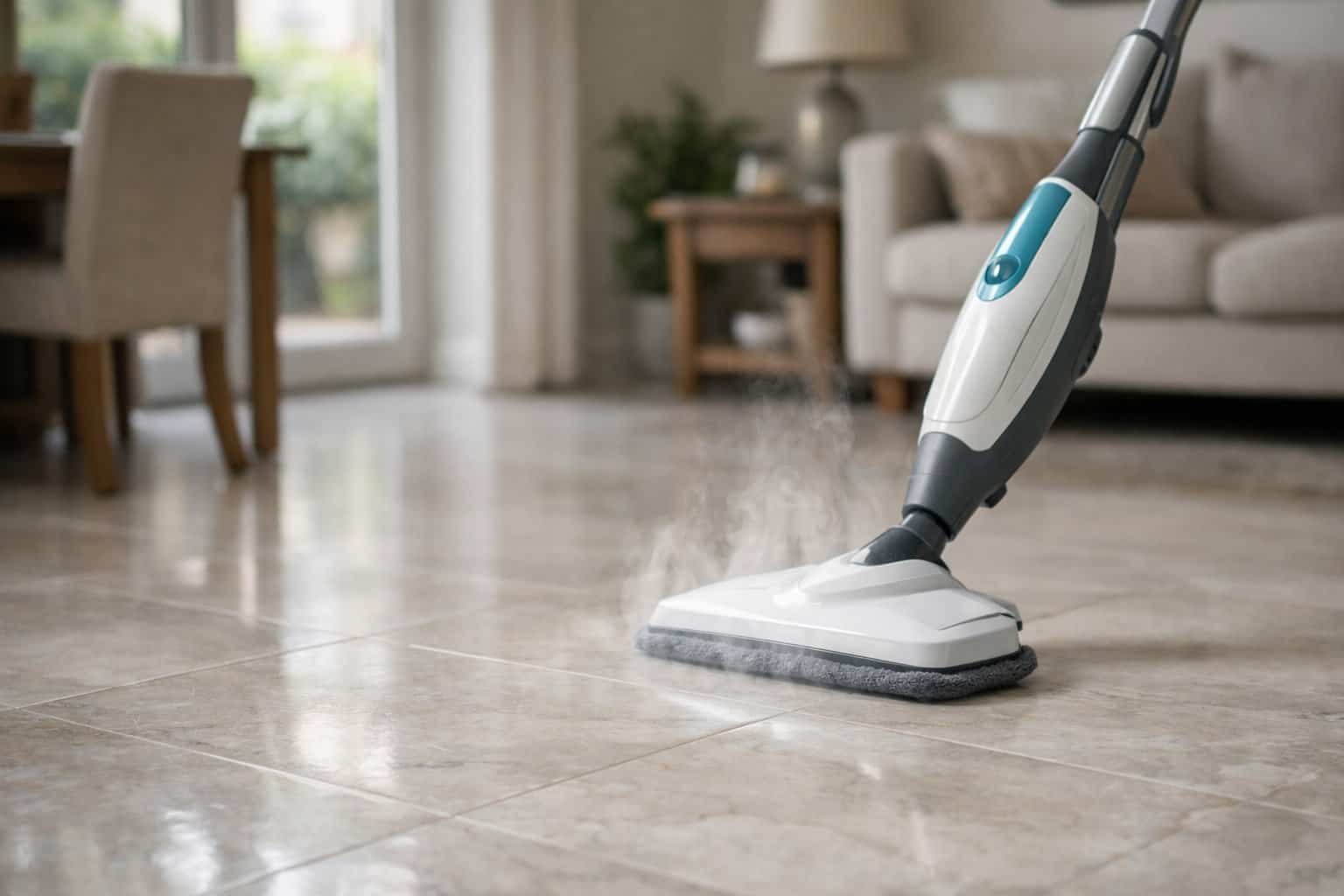
Maintaining the brilliance of your polished stone floors requires a consistent cleaning routine. Daily cleaning with a soft broom or vacuum helps eliminate loose dirt and debris that could scratch the surface. For deeper cleaning, utilize a pH-neutral cleaner formulated for stone, applied with a damp mop or cloth.
Steer clear of harsh chemicals and abrasive tools, as these can dull the finish and damage the stone. Weekly cleaning can incorporate a more thorough wash with a suitable stone cleaner, effectively removing any buildup. Additionally, consider placing mats at entry points to minimize the amount of dirt and debris tracked onto your polished floors. By adhering to this regular cleaning routine, you can preserve the beauty and integrity of your stone floors for many years.
Proactive Strategies to Prevent Damage to Your Polished Stone Floors
Preventing damage to your polished stone floors involves proactive measures designed to safeguard them from wear and tear. One effective strategy is to use furniture pads beneath the legs of tables and chairs to prevent scratches during movement.
Furthermore, avoid dragging heavy items across the floor, as this can lead to significant scratches and gouges. Be vigilant with spills; promptly cleaning any liquids will prevent staining and etching on the surface. Consider using runners or area rugs to protect the stone in high-traffic areas. By implementing these preventative strategies, you can maintain the stunning appearance of your polished stone floors for the long term.
Routine Maintenance for Sustaining the Beauty of Polished Stone Floors
Regularly evaluating and maintaining your polished stone floors is vital to keeping them looking their best. Depending on foot traffic and usage patterns, a deep clean and re-polishing may be necessary every one to three years. This process includes a thorough cleaning followed by polishing with appropriate pads to restore shine and address any minor scratches or imperfections that may have developed over time.
In addition to re-polishing, consider periodic sealing to protect your floors from stains and moisture. Regularly inspecting for signs of wear, such as loss of shine or visible scratches, will help you determine when maintenance is required. By committing to a schedule of periodic maintenance, you can ensure the longevity and beauty of your polished stone floors remain intact.
Selecting Appropriate Products for Effective Maintenance of Polished Stone Floors
Choosing the right cleaning and maintenance products is critical to preserving your polished stone floors. A pH-neutral cleaner specifically designed for stone is ideal for daily cleaning, as it won’t harm the finish or the stone itself. Avoid acidic or abrasive products that may dull the surface or cause etching.
For sealing, look for high-quality sealants compatible with your specific stone type. Many sealants come in penetrating and topical formulas, each providing varying levels of protection. It is advisable to consult with a local supplier or stone care expert to ensure you select products suitable for your specific flooring needs. Investing in the right products can significantly enhance both the appearance and durability of your polished stone floors.
Effective Techniques for Addressing Stains and Spills on Polished Stone Floors
Promptly addressing stains and spills is essential for preserving the integrity of your polished stone floors. As soon as a spill occurs, blot it with a clean, dry cloth rather than rubbing, as this can spread the liquid and exacerbate the stain. For stubborn stains, using a poultice can be highly effective; this involves applying a paste made from a suitable cleaning agent to the stained area and allowing it to sit for several hours to draw out the stain.
After treating stains, follow up with a gentle clean using a pH-neutral stone cleaner. For more serious or persistent stains, professional cleaning services may be necessary. By remaining vigilant and responsive to spills and stains, you can ensure that your polished stone floors maintain their beauty and remain unblemished for years.
Overcoming Common Challenges in Stone Floor Polishing
Identifying and Correcting Issues with Uneven Polishing Results
Experiencing uneven polishing outcomes can be frustrating; understanding the causes and solutions can help rectify the situation. One common reason for uneven finishes is the inconsistent pressure applied during polishing. It is essential to apply even pressure across the pad while working to ensure that all areas receive equal treatment.
If you notice uneven polishing results, retrace your steps using finer grit pads to blend the affected areas with the surrounding surface. Additionally, ensure that your polishing pads are in optimal condition; worn-out pads can lead to inconsistent results. Lastly, consider the technique and speed you employed; adjustments in these factors can significantly enhance the uniformity of the finish. By carefully addressing these elements, you can achieve a polished stone floor that radiates uniformity and elegance.
Effectively Managing Stains and Etching Issues on Stone Floors
Stains and etching can appear even after a comprehensive polishing process, and it’s crucial to handle them promptly. Stone floors, particularly softer varieties like marble, are especially susceptible to etching from acidic substances such as citrus or vinegar. If etching occurs, it may require specialized polishing techniques or products designed to restore the surface.
For stains, utilizing a poultice, as previously mentioned, can help lift discoloration. Alternatively, specific stain removal kits formulated for stone may be beneficial, depending on the nature of the stain. Regular sealing of your floors also aids in preventing staining and etching over time. By being proactive and employing effective solutions, you can keep your polished stone floors looking pristine and well-maintained.
Managing Pad Wear to Ensure Optimal Performance
Effectively managing and extending the lifespan of your polishing pads is essential for maintaining efficiency and achieving quality results. Regularly inspect your pads for signs of wear, such as fraying or loss of abrasiveness. Rotating the pads frequently during polishing can also help distribute wear evenly and prolong their lifespan.
Proper cleaning and storage are crucial; ensure that pads are thoroughly cleaned after each use and stored in a manner that prevents damage. Avoid exposing them to extreme heat or moisture, which can degrade the materials. By adhering to these practices, you can maximize the longevity of your polishing pads, ensuring they remain effective tools in your stone maintenance arsenal.
Realizing the Advantages of Professional Stone Polishing Services
Identifying When to Seek Professional Stone Floor Polishing Services
There are specific circumstances when enlisting professional services for stone floor polishing becomes necessary. If your stone floor exhibits significant damage, such as deep scratches, large cracks, or uneven surfaces, a professional can provide the expertise and equipment required for effective restoration.
Moreover, if you find the polishing process overwhelming or excessively labor-intensive, seeking professional assistance can save time while ensuring quality results. Professionals possess advanced knowledge of various stone types and the appropriate techniques to employ, which can substantially elevate the overall finish. Recognizing when to seek professional help can significantly enhance the outcome of your stone floor maintenance efforts.
Crucial Factors in Selecting a Reliable Stone Polishing Service Provider
Choosing the right service provider for stone floor polishing involves several critical considerations. Start by researching local companies with positive reviews and testimonials. Look for providers who specialize in stone floor care and have a proven track record of successfully servicing similar types of stone.
Inquire about their process, including the products and techniques they utilize, to ensure they align with your needs and preferences. Additionally, request information about warranties or guarantees for their work, providing you with peace of mind. By conducting thorough research and selecting a reputable provider, you can ensure that your stone floors receive the best care possible.
What to Anticipate from Professional Stone Floor Polishing Services
When hiring professionals for stone floor polishing, understanding the process can help manage expectations. Initially, the service provider will assess your floor’s condition and determine the necessary methods and products. Following this assessment, they will carry out the polishing process, which may include grinding, polishing, and sealing, depending on the specific requirements of your floor.
Professionals will also maintain clear communication with you throughout the process, ensuring that you are informed about the various stages involved. Upon completion, you can expect a visibly enhanced stone floor featuring a high-gloss finish that elevates the beauty of your space. Being informed about what to expect will help you appreciate the value of professional services for your stone flooring.
Budgeting Wisely for Professional Stone Floor Polishing Services
Estimating costs for professional stone floor polishing services can vary widely based on several factors, including the size of the area, the condition of the stone, and the specific services required. Generally, prices can range from £5 to £10 per square foot, although this can fluctuate based on the complexity of the job and the expertise of the service provider.
It’s advisable to obtain multiple quotes from different companies to compare pricing and services. Keep in mind that while budget considerations are important, quality should not be compromised; finding a balance between reasonable pricing and reputable service is essential. Understanding the potential costs involved will help you plan effectively, ensuring that your stone floors receive the professional attention they deserve.
Maintaining Professional Results on Your Stone Floors
After investing in professional stone floor polishing, preserving the results is vital for long-term beauty. Implementing a regular cleaning routine with pH-neutral products helps maintain the shine and protect the surface from stains and damage.
Consider scheduling periodic professional maintenance to ensure your floors remain in top condition. Additionally, preventative measures, such as using mats at entry points and placing furniture pads under heavy items, will help safeguard your investment. By committing to these practices, you can relish the stunning results of your professionally polished stone floors for years to come.
Common Questions About Stone Floor Polishing Answered
What are stone floor polishing pads, and what purpose do they serve?
Stone floor polishing pads are specialized tools crafted to smooth and shine stone surfaces through varying grit levels, ensuring a polished finish that enhances the stone’s appearance.
How often should I polish my stone floors for optimal results?
The frequency of polishing depends on usage; typically, it is advisable to polish every one to three years, or more frequently in high-traffic areas, to maintain the floor’s appearance.
Can I use regular cleaning products on my polished stone floors?
No, it is crucial to avoid using acidic or abrasive cleaners. Instead, opt for pH-neutral products specifically formulated for stone to prevent any potential damage.
What is the most effective method for removing stains from polished stone floors?
For stains, it’s best to blot immediately and consider using a poultice or a stone-specific stain removal kit to lift discoloration without damaging the surface.
How can I tell if I need professional polishing services for my stone floors?
If your stone floor exhibits significant scratches, unevenness, or persistent stains that you cannot address, it may be time to seek professional assistance for optimal restoration.
What should I consider when selecting a stone polishing service provider?
Seek providers with positive reviews, expertise in stone care, and transparency about their methods and products used to ensure quality service.
Are there specific pads designed for different stone types?
Different stones require specific pads; diamond pads are more suitable for harder stones, while resin pads are tailored for softer varieties.
How can I prevent my polished stone floors from getting scratched?
To protect your polished surfaces from potential damage, use furniture pads, refrain from dragging heavy items, and promptly clean up spills.
What is the significance of sealing polished stone floors?
Sealing creates a protective barrier against stains and moisture, helping to maintain the stone’s shine and longevity, ensuring it remains beautiful for years.
Can I polish my stone floors myself?
Yes, DIY polishing is achievable with the appropriate tools and knowledge; however, professional services may provide superior results in certain situations.
The Article Stone Floor Polishing Pads Guide – Essential Tips was first found on https://london-stone.co.uk
The Article Stone Floor Polishing Pads: Essential Tips for Success appeared first on https://fabritec.org
The Article Stone Floor Polishing Pads: Key Tips for Successful Results Was Found On https://limitsofstrategy.com

Recent Comments