Discover a Diverse Selection of BBQ Meats to Elevate Your Grilling Skills
Savor Mouthwatering Beef Cuts That Will Take Your BBQ Skills to New Heights
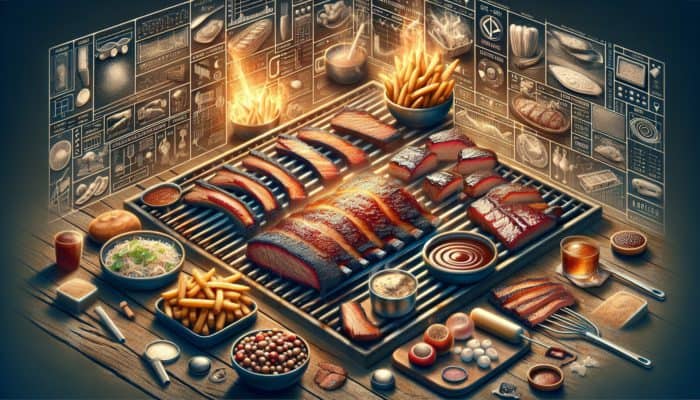
When envisioning the perfect BBQ experience, the choice of beef cuts plays a crucial role, as these selections can transform your grilling into an exceptional culinary adventure. Cuts like brisket and ribs are particularly revered for their distinctive flavor profiles and require specific cooking techniques to unlock their full potential. The appeal of brisket lies in its impressive marbling, which necessitates a low-and-slow cooking method. Keeping a consistent temperature of 225-250°F for about 1 to 1.5 hours per pound allows the connective tissues to break down, producing tender, juicy beef that melts in your mouth. On the other hand, ribs can be elevated to gourmet status with the right combination of spice rubs and sauces, with baby back ribs requiring 5-6 hours at 225°F and spare ribs potentially needing up to 7 hours. Mastering these cooking techniques is essential for any BBQ enthusiast eager to impress friends and family with their grilling expertise.
The importance of a well-crafted seasoning rub cannot be overstated. A properly seasoned brisket can significantly enhance your BBQ experience, making the wait worthwhile. Utilizing the “Texas Crutch” method—wrapping the brisket in foil after several hours of cooking—can help maintain moisture and speed up cooking time while ensuring that essential melt-in-your-mouth tenderness is preserved. This technique is vital for achieving the highest flavor and texture in your BBQ meats, positioning it as a game changer for any grilling aficionado.
Relish the Bold Flavors of BBQ Pork Cuts
Pork occupies a beloved space in the BBQ world, showcasing popular options like pulled pork and pork chops that consistently bring joy to any gathering. Pulled pork, typically derived from the shoulder or butt, requires a lengthy cooking period to effectively break down tough connective tissues, resulting in the tender, succulent texture that BBQ enthusiasts crave. Cooking it at a low temperature of around 225°F can take anywhere from 8 to 12 hours, depending on the size of the cut. The end result is mouth-watering, easily shredded meat that serves as the perfect filling for sandwiches or sliders, making it a family favorite for celebrations.
In contrast, pork chops offer a quicker grilling option. They can be cooked directly over high heat, typically requiring about 4-6 minutes per side, depending on thickness, making them an excellent choice for those seeking a speedy yet satisfying BBQ meal. Understanding the varying cooking times for different pork cuts is crucial to avoiding the common pitfalls of overcooking or undercooking, both of which can lead to a disappointing dining experience.
The art of seasoning is key to enhancing the flavor of pork dishes. A beautifully balanced sweet and tangy sauce can elevate the inherent flavors without overpowering them. For BBQ novices, mastering the timing for cooking pork cuts can greatly improve your grilling skills and leave your guests thoroughly impressed with the delightful results.
Achieve Grilling Mastery Through Expert Chicken Preparation Techniques
Chicken is an incredibly versatile protein that accommodates various grilling methods, ranging from whole birds to wings, each necessitating distinct cooking times to ensure both safety and flavor. A whole chicken typically takes about 1.5 to 2 hours at 350°F to ensure the internal temperature reaches the critical safety threshold of 165°F. Achieving this temperature is not only vital for food safety but also guarantees a deliciously cooked bird, making it a staple for any BBQ enthusiast.
For individual chicken cuts, such as thighs or breasts, the cooking duration is considerably shorter—approximately 20-30 minutes, depending on size. Chicken wings excel when grilled over high heat for about 20-30 minutes, resulting in a perfectly crispy exterior that is hard to resist. The secret to delectable chicken lies in consistently monitoring the internal temperature with a meat thermometer, ensuring that your dish is not only safe to consume but also remains juicy and flavorful throughout the cooking process.
Brining chicken prior to grilling can yield remarkable results, as it helps infuse moisture and flavor into the meat. When preparing BBQ chicken, understanding the necessary cooking times for different cuts is paramount to achieve a perfectly cooked meal without drying out the meat, ensuring a delightful experience for everyone gathered around the table.
Experience the Unique Flavors of Lamb Cuts for BBQ Lovers
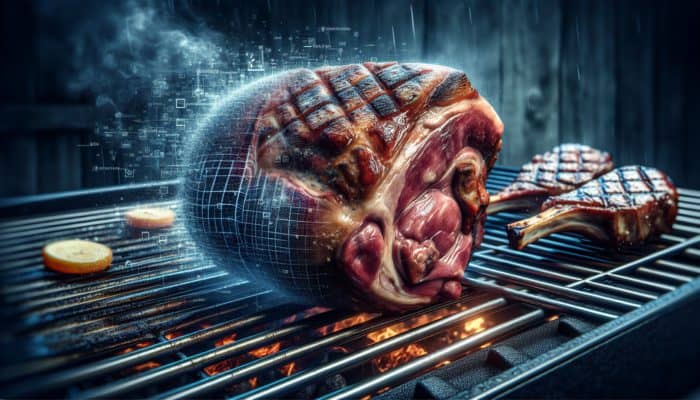
Lamb is a luxurious and rich option that requires careful attention to cooking times to achieve optimal tenderness and flavor. Cuts like shoulder and chops have specific cooking time requirements that must be adhered to. A lamb shoulder is ideally prepared using a slow cooking technique at 250°F for about 4-6 hours, allowing the meat to become exquisitely tender and making it a favorite among BBQ enthusiasts.
Conversely, lamb chops are akin to preparing steaks and can be grilled quickly over high heat for about 4-5 minutes per side, depending on their thickness. Understanding the correct cooking durations for lamb is essential to prevent drying out the meat while capturing the unique flavor that makes lamb a standout choice for BBQ lovers.
Employing marinades rich in herbs and spices can beautifully complement lamb. Classic pairings, such as fresh rosemary and garlic, can elevate the dish to an entirely new level of enjoyment. Mastering the cooking times and techniques for lamb will undoubtedly enhance your BBQ skill set, impressing your guests and introducing variety into your grilling repertoire.
Key BBQ Techniques to Enhance Your Grilling Expertise
Harness Direct Heat for Rapid Grilling Success
Direct heat grilling is an exceptional method for swiftly cooking popular items like burgers, hot dogs, and chicken breasts. This technique involves placing food directly over the flame, resulting in a beautifully seared exterior and an irresistible smoky flavor that enhances the overall experience. Timing is crucial with this method, as most items only require a few minutes on each side. For instance, burgers typically need about 4-5 minutes per side for a medium-rare result, while chicken breasts can take approximately 6-8 minutes to reach perfection.
One common pitfall when grilling over direct heat is the failure to manage the heat properly, which can lead to uneven cooking and disappointing results. Always preheat your grill to ensure that you achieve the perfect sear and prevent food from sticking, which is essential for a successful BBQ.
For those aiming to achieve various levels of doneness, it is crucial to understand the specific cooking times associated with each type of meat. Utilizing a meat thermometer will help you attain your desired doneness without risking overcooking, ensuring that every bite is cooked to perfection and bursting with flavor.
Master Indirect Heat Grilling for Larger Cuts of Meat
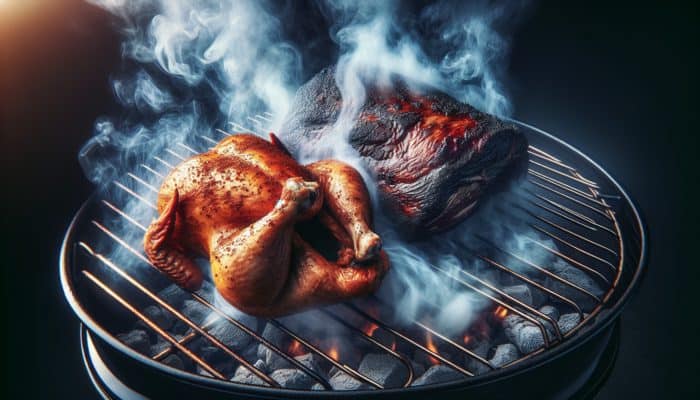
Indirect heat grilling is the preferred method for larger cuts of meat that necessitate extended cooking times. This technique involves positioning the food away from the direct flame, allowing it to cook slowly and evenly. For example, a whole chicken or a brisket is optimally cooked using this method, typically at temperatures ranging from 225°F to 275°F, which facilitates the development of a richer flavor profile.
Cooking times will vary based on the size of the meat, but a general guideline is approximately 30-40 minutes per pound. This approach not only ensures that the meat cooks evenly but also allows it to retain its juices, resulting in an exceptionally tender and flavorful final product that will have your guests raving.
To further enhance flavor during indirect grilling, consider adding wood chips to your fire for that perfect smoky finish. This additional layer of flavor combined with extended cooking time will create a BBQ experience that is not only memorable but also delicious, leaving your guests with a craving for more.
Embrace the Craft of Smoking Meat for BBQ Mastery
Smoking is a revered BBQ technique that involves cooking meat at low temperatures over an extended period, often incorporating wood chips to infuse distinct flavors into the meat. This process can take several hours—ranging anywhere from 5 to 12 hours, depending on the type of meat and the desired intensity of smoke flavor. The low and slow method allows the meat to absorb the smoke while becoming tender and flavorful, creating an unforgettable BBQ experience.
Brisket and pork shoulders are prime candidates for smoking, typically cooked at a temperature of around 225°F for an extended duration. This slow cooking method permits the smoke to permeate the meat, creating a rich and complex flavor profile that is simply unmatched. Though smoking may seem intimidating, the delicious results are well worth the effort, rewarding your patience with an incredible BBQ experience that will impress everyone.
The choice of wood used for smoking can significantly influence the flavor profile, with options like hickory, mesquite, and applewood being particularly popular. Understanding the balance of cooking time, temperature, and smoke flavor will result in a BBQ experience that captivates any crowd and elevates your grilling game to new heights.
Master Temperature Control for BBQ Success
Comprehending Grill Temperature for Optimal Cooking Results
Maintaining the correct grill temperature is vital for a successful BBQ. Different types of meat have specific optimal temperature ranges for cooking, ensuring both safety and flavor. For instance, beef is best cooked around 130-160°F for medium-rare to medium doneness, while chicken must reach a minimum internal temperature of 165°F to be safe for consumption, making temperature control essential for achieving delicious results.
Utilizing a reliable grill thermometer is crucial for monitoring temperature, enabling you to make necessary adjustments as required. Additionally, understanding the type of grill you are using—whether it is gas, charcoal, or electric—can enhance your mastery of temperature control and improve your grilling outcomes significantly.
Hot and cold spots on the grill can lead to uneven cooking, which can be frustrating. Rotating your meat and being mindful of where you place it on the grill can help mitigate these issues, ensuring everything cooks uniformly and to perfection, elevating your BBQ skills to the next level.
Ensuring Proper Meat Temperature for Safety and Quality
Utilizing a meat thermometer to check internal temperatures is essential for ensuring food safety and achieving the desired doneness. Each type of meat has specific temperature thresholds that must be met. For example, ground meats should reach 160°F, beef steaks can vary from 130°F for rare to 160°F for well-done, while pork should reach 145°F to be both safe and delectable.
When measuring temperature, it is crucial to insert the thermometer into the thickest part of the meat, avoiding contact with bones, which can yield inaccurate readings. Understanding these specific temperatures not only guarantees safety but also helps achieve the desired texture and juiciness of your meats, significantly enhancing the quality of your BBQ meals and impressing your guests.
For those new to BBQ, investing in a high-quality meat thermometer can be a game-changer, allowing you to cook with confidence. Reaching the right internal temperature is one of the most critical aspects of BBQ success, making it an essential tool in your grilling arsenal for achieving the best results.
Adapting to Environmental Conditions for Consistent Cooking Results
Ambient conditions, including weather and altitude, can significantly influence cooking times and outcomes. For instance, windy days can cause temperature fluctuations, necessitating adjustments to cooking times. Cooking at higher elevations can result in longer cooking durations due to lower air pressure, meaning that meats may require additional time to reach their ideal cooking temperature.
If you’re grilling outdoors during colder months, consider wrapping meats in foil to help retain heat and moisture. Conversely, on hot summer days, it may be beneficial to adjust your cooking strategy to avoid overcooking or drying out your dishes, ensuring that every BBQ session is successful and enjoyable.
Being proactive regarding these environmental factors can enable you to plan your BBQ more effectively, leading to consistent results regardless of the conditions. This knowledge can enhance your confidence and skill as a BBQ enthusiast, creating memorable meals every time you fire up the grill.
Utilizing Temperature Probes for Precise Cooking
Employing accurate temperature probes can assist in monitoring cooking temperatures precisely, ensuring that your meat is cooked evenly across different zones of the grill. Temperature probes can be either wired or wireless, allowing you to keep an eye on the temperature from a distance without having to hover over the grill.
Many advanced models come equipped with alerts that notify you when your meat has reached the desired temperature, enabling you to focus on other tasks while cooking. This technology can be particularly advantageous when smoking meats, as maintaining consistent temperatures is critical during long cooking sessions, ensuring that everything is cooked to perfection, succulent and flavorful.
Investing in high-quality temperature probes can significantly enhance your BBQ experience, providing you with more control over the cooking process and increasing the likelihood of a successful cook every time you fire up the grill.
Techniques for Adjusting Temperature During Grilling
Mastering techniques such as vent control and heat deflection is essential for fine-tuning grill temperatures to achieve optimal cooking results. In charcoal grills, adjusting the vents can increase or decrease airflow, subsequently altering the temperature levels to suit your cooking needs.
Adding or removing coals can also help regulate heat effectively. For gas grills, utilizing multiple burners can create zones of varying temperatures, allowing for both direct and indirect cooking methods to be executed simultaneously. This flexibility can greatly enhance your BBQ capabilities, enabling you to cook a wider variety of dishes.
Becoming familiar with these techniques will empower you to achieve the right cooking temperatures consistently, whether you are grilling burgers or smoking a succulent brisket. This mastery can elevate your BBQ skills and impress your guests, making every gathering a delicious success.
Avoid Common BBQ Mistakes for an Unforgettable Experience
Prevent the Common Mistake of Overcooking Your Meats
Overcooking is a frequent error that can ruin even the finest cuts of meat. Understanding and meticulously monitoring cooking times is vital for preventing dryness and ensuring that your BBQ experience is enjoyable and memorable. For example, brisket can easily become tough if cooked for too long, while chicken can dry out quickly if left unattended, leading to disappointing meals that fail to meet expectations.
To steer clear of the overcooking trap, it is crucial to invest in a reliable meat thermometer. Regularly checking the internal temperature will aid you in determining when the meat is just right. Additionally, techniques such as wrapping meat in foil during the final stages of cooking can help retain moisture, creating a juicy and flavorful outcome that will impress your guests.
Learning to recognize visual and textural cues can also prevent overcooking. For instance, meat should feel firm yet springy when done, and juices should run clear. Mastering these indicators will enhance your BBQ success and boost your cooking confidence, ensuring that every meal you serve is a hit among your family and friends.
Guarantee Thorough Cooking to Avoid Undercooking Risks
Undercooking poses serious health risks, particularly with poultry and pork. Ensuring that meats reach safe internal temperatures is essential to prevent foodborne illnesses that can mar any gathering. For chicken, this means cooking it to at least 165°F, while pork should reach 145°F to guarantee safety, flavor, and optimal texture.
To ensure thorough cooking, using a meat thermometer is essential. Understanding the specific safe cooking temperatures for each type of meat allows you to prepare food safely while also retaining its flavor and appealing texture, making your BBQ gatherings enjoyable and safe for everyone in attendance.
Visual cues can also assist in determining doneness. For example, chicken should no longer appear pink in the center, and juices should run clear when pierced. Avoiding undercooked meats is crucial for a safe and enjoyable BBQ experience, reflecting your dedication to quality cooking that everyone will appreciate.
Managing Inconsistent Heat for Uniform Cooking Results
Managing hotspots and cold spots on the grill can significantly impact cooking results, leading to uneven doneness and frustrating outcomes. Understanding your grill’s mechanics and conducting test runs can help identify these areas, allowing you to adjust your cooking strategy accordingly.
Rotating your food during cooking can help mitigate these issues, ensuring more even heat distribution and consistent results. Furthermore, keeping the lid closed while cooking can help maintain steady temperatures, enhancing your results and cooking efficiency, leading to a more successful BBQ experience.
Adjusting your placements based on identified hotspots can lead to a more successful grilling experience, ultimately honing your BBQ skills over time and making you a more confident cook capable of delivering delicious meals.
The Importance of Using the Right BBQ Tools
Choosing the appropriate utensils and equipment is vital for enhancing BBQ results and preventing damage to both food and grill. For instance, using metal tongs instead of forks helps prevent the juices from escaping, keeping your meat moist and flavorful. This simple switch can make a considerable difference in the quality of your BBQ, ensuring that every bite is as delicious as possible.
Investing in a quality set of grilling tools can significantly improve your overall experience. Consider tools like grilling baskets for smaller items, which can prevent food from falling through the grates, and sharp knives for easy slicing and serving, enhancing the efficiency of your BBQ preparations.
Avoid using non-BBQ-specific tools, as they can lead to accidents and damage during your grilling sessions. Ensuring you have the right tools on hand will streamline your BBQ process, making it smoother and more enjoyable while allowing you to focus on creating delicious meals for your friends and family.
Essential Tools and Accessories for an Exceptional BBQ Experience
Reliable Thermometers for Accurate Cooking Outcomes
Thermometers are indispensable for obtaining accurate temperature readings, guiding cooking times, and ensuring food safety throughout your BBQ. Digital instant-read thermometers offer quick and precise readings, allowing you to monitor your meat without losing valuable heat, ensuring that everything cooks perfectly.
Investing in a quality thermometer can greatly enhance your BBQ experience, providing peace of mind that your food is cooked to perfection. Some advanced models even feature Bluetooth capabilities, enabling you to monitor temperatures remotely, which is incredibly convenient during longer cooking sessions where you want to ensure everything is progressing as planned.
Understanding how to properly use and calibrate your thermometer is also essential. Regularly checking its accuracy can ensure that you are always cooking with confidence and precision, minimizing the risk of undercooked or overcooked meats that could disappoint your guests.
Timers to Help You Stay on Schedule with Cooking
Setting timers is crucial for managing long cooks, ensuring that you check on your food at appropriate intervals. An easy-to-use kitchen timer can help you keep track of cooking times, especially for lengthy smokes or roasts, preventing overcooking or burning that can spoil your hard work.
Utilizing timers can also prevent common pitfalls in BBQ, allowing you to focus on other tasks while still ensuring that your food receives the attention it deserves. Having reminders in place is invaluable for a smooth cooking process, ensuring everything is cooked and ready to serve at just the right time.
Consider using timers that offer multiple settings, enabling you to manage several items simultaneously. This feature can be particularly helpful during busy BBQ gatherings, ensuring that everything is cooked to perfection and ready to serve, delighting your guests and making your event a success.
Grilling Baskets for Versatile Cooking Options
Grilling baskets are a versatile tool for handling smaller items like vegetables and seafood that require frequent turning to achieve even cooking. These baskets allow for better airflow around the food, ensuring that your items are grilled to perfection without falling through the grates, enhancing your BBQ experience and results.
Moreover, these baskets can enhance flavor by allowing food to be coated in marinades during grilling, creating delicious and unique taste combinations. Investing in a high-quality grilling basket can significantly improve your BBQ experience, ensuring that no delicious morsel is left behind and facilitating easier cleanup.
Additionally, they simplify cleanup, minimizing mess and ensuring smooth transitions between dishes, making your grilling session more enjoyable overall. This added convenience allows you to focus on enjoying your time with friends and family rather than worrying about the cooking process.
Versatile Tongs for Safe and Efficient Grilling
Tongs are an essential tool for safely handling hot food on the grill. They offer a firm grip, allowing for easy flipping and turning, which is crucial for preventing food from sticking and ensuring even cooking across all items, resulting in perfectly grilled meats.
Using tongs instead of forks helps retain juices, resulting in a more succulent final product that showcases your grilling skills and attention to detail. Choosing high-quality, heat-resistant tongs can significantly enhance your grilling experience, providing better maneuverability and control during cooking, allowing you to execute your techniques with confidence.
Tongs come in a variety of designs, so selecting a pair that feels comfortable in your hand can also contribute to a more enjoyable BBQ experience, allowing you to grill with ease and confidence, ready to impress your guests.
Durable Spatulas for Efficient Food Handling
Spatulas are ideal for lifting and turning larger food items on the grill, ensuring even cooking while preventing sticking. A good grilling spatula should be sturdy yet flexible, allowing for easy maneuverability when handling various foods, contributing to a smoother cooking process.
Using a spatula can also help with delicate items like fish, which require a gentle touch to flip without breaking apart and losing their form. Finding a spatula that suits your grilling style can greatly enhance your overall results and make the cooking process smoother and more enjoyable for you.
Ensure that your spatula is made of heat-resistant materials to withstand high temperatures, making it a reliable tool for all your BBQ needs. A high-quality spatula will serve you well for many grilling sessions to come, providing consistent performance and reliability.
Comprehensive BBQ Cooking Time Charts for Every Meat Type
Understanding Cooking Times for Beef and Pork for Perfect Results
Familiarity with the average cooking times for various cuts of beef and pork is essential for any BBQ enthusiast. For beef brisket, you should expect approximately 1 to 1.5 hours per pound when cooked at 225°F, ensuring that it becomes tender and flavorful. Ribs typically require around 5-7 hours at the same temperature for the best results, infusing that iconic BBQ flavor into the meat.
On the pork side, a pork shoulder intended for pulled pork can take 8-12 hours at 225°F, allowing the connective tissue to break down into melt-in-your-mouth goodness. In contrast, pork chops are much quicker to prepare, needing only about 4-6 minutes per side over direct heat. These cooking times can fluctuate based on grill temperature, meat thickness, and desired doneness, making it essential to monitor your BBQ closely for optimum results.
Utilizing resources like cooking time charts can provide a quick reference guide, simplifying your BBQ planning and ensuring you serve perfectly cooked meats every time, delighting your guests with each delicious bite.
Perfect Cooking Times for Poultry to Guarantee Safety and Flavor
Different chicken parts require varying cooking times for optimal results. A whole chicken should be cooked for about 1.5-2 hours at 350°F, while chicken thighs and breasts typically take about 20-30 minutes. Wings require similar timing, around 20-30 minutes, depending on the cooking method employed, making proper timing crucial for a successful BBQ.
Utilizing a poultry cooking time chart can help ensure that you achieve juicy, flavorful chicken without any risk of undercooking. This knowledge is especially beneficial for those hosting BBQ gatherings, guaranteeing that the chicken will be a crowd-pleaser and a highlight of the meal that everyone will enjoy.
Understanding cooking times for poultry is not only essential for safety but also for flavor, allowing you to serve a delicious meal that everyone will enjoy without any worry or concern.
Guidelines for Grilling Seafood and Vegetables to Achieve Delicious Results
Grilling seafood and vegetables requires specific guidelines to achieve the desired doneness and flavor. Fish fillets typically take around 8-10 minutes per inch of thickness at medium heat, while shrimp can cook in as little as 2-3 minutes per side, making them a quick and tasty option for your BBQ.
Vegetables vary widely in their cooking times, with denser options like potatoes needing around 20-30 minutes, while softer vegetables like zucchini can take only 5-10 minutes to reach that perfect tenderness. Following these cooking times is crucial for ensuring quality and flavor, making it essential to adhere to guidelines for optimal results during your grilling sessions to ensure everything is cooked to perfection.
Using a cooking time chart for seafood and vegetables can streamline your BBQ experience, ensuring that everything cooks harmoniously and flavors shine through, creating an enjoyable meal for all your guests and loved ones.
Frequently Asked Questions About BBQ Techniques
What is the ideal temperature for grilling beef brisket?
The ideal temperature for grilling beef brisket is around 225-250°F, allowing for a low and slow cook that results in tender, mouthwatering meat that is sure to impress your guests and satisfy their cravings.
How long should I cook pork chops on the grill for best results?
Pork chops typically take about 4-6 minutes per side on direct heat, depending on their thickness, to achieve optimal doneness and flavor that satisfies every palate, making them a favorite for BBQ lovers.
What internal temperature must chicken reach to ensure safety?
Chicken should reach an internal temperature of 165°F to ensure that it is safe to eat and thoroughly cooked, minimizing health risks and ensuring a delicious meal that everyone can enjoy without worry.
How can I tell when my ribs are fully cooked?
Ribs are fully cooked when they reach an internal temperature of approximately 190-203°F, and the meat is tender, easily pulling away from the bone, showcasing your grilling prowess and skillful technique.
Is it possible to grill vegetables directly on the grill?
Yes, you can grill vegetables directly on the grill, but using a grilling basket is advisable to prevent them from falling through the grates, ensuring even cooking and delicious results that everyone will love.
What’s the best method to avoid overcooking meat?
Using a reliable meat thermometer to monitor internal temperatures is the best way to avoid overcooking meat, ensuring it reaches the desired doneness without drying out, resulting in juicy and flavorful dishes that are sure to please.
How long does it typically take to smoke a pork shoulder?
Smoking a pork shoulder usually takes 8-12 hours at 225°F, depending on its size and desired tenderness, making it a time-consuming but rewarding process that BBQ lovers will appreciate for its rich flavor.
What steps should I take if my grill has hot spots?
To manage hot spots on your grill, rotate your food during cooking and adjust your meat placement to ensure even cooking across all items, leading to a more successful BBQ experience that delights your guests.
How can I keep my BBQ tools in top condition?
Regularly cleaning your BBQ tools after each use and storing them in a dry, safe place will help maintain their longevity and performance, ensuring they’re ready for your next grilling session with ease and efficiency.
What advantages does brining chicken offer?
Brining chicken helps to enhance its flavor and moisture, resulting in juicier meat that is less likely to dry out during cooking, making it a popular technique among BBQ enthusiasts seeking perfection in their dishes.
Join Us on Facebook for More BBQ Tips and Tricks!
The Article Understanding BBQ Cooking Times for Beginners: A Comprehensive Guide appeared first on https://pitmastersarsenal.com
The Article BBQ Cooking Times for Beginners: Essential Guide Was Found On https://limitsofstrategy.com

Recent Comments