If you own an investment property in Brisbane, you’re probably aware that the property investment landscape has undergone considerable changes. The 2026 Federal Budget, revealed on 12 May, has introduced crucial adjustments that will significantly influence your strategy for property investments in the future.
To summarize, purchasing an established investment property after this date will mean losing the negative gearing benefits starting from 1 July 2027. Conversely, building new properties will allow you to retain this advantage. This change is not simply a loophole; it is a government policy designed to enhance the supply of new housing. The government is actively promoting new constructions, which come with tax benefits, while established properties will no longer have these advantages.
For investors who have traditionally focused on buying and holding established properties, this represents a major strategic pivot. If you’re contemplating your next investment decision, prioritizing the construction of new properties is now essential.
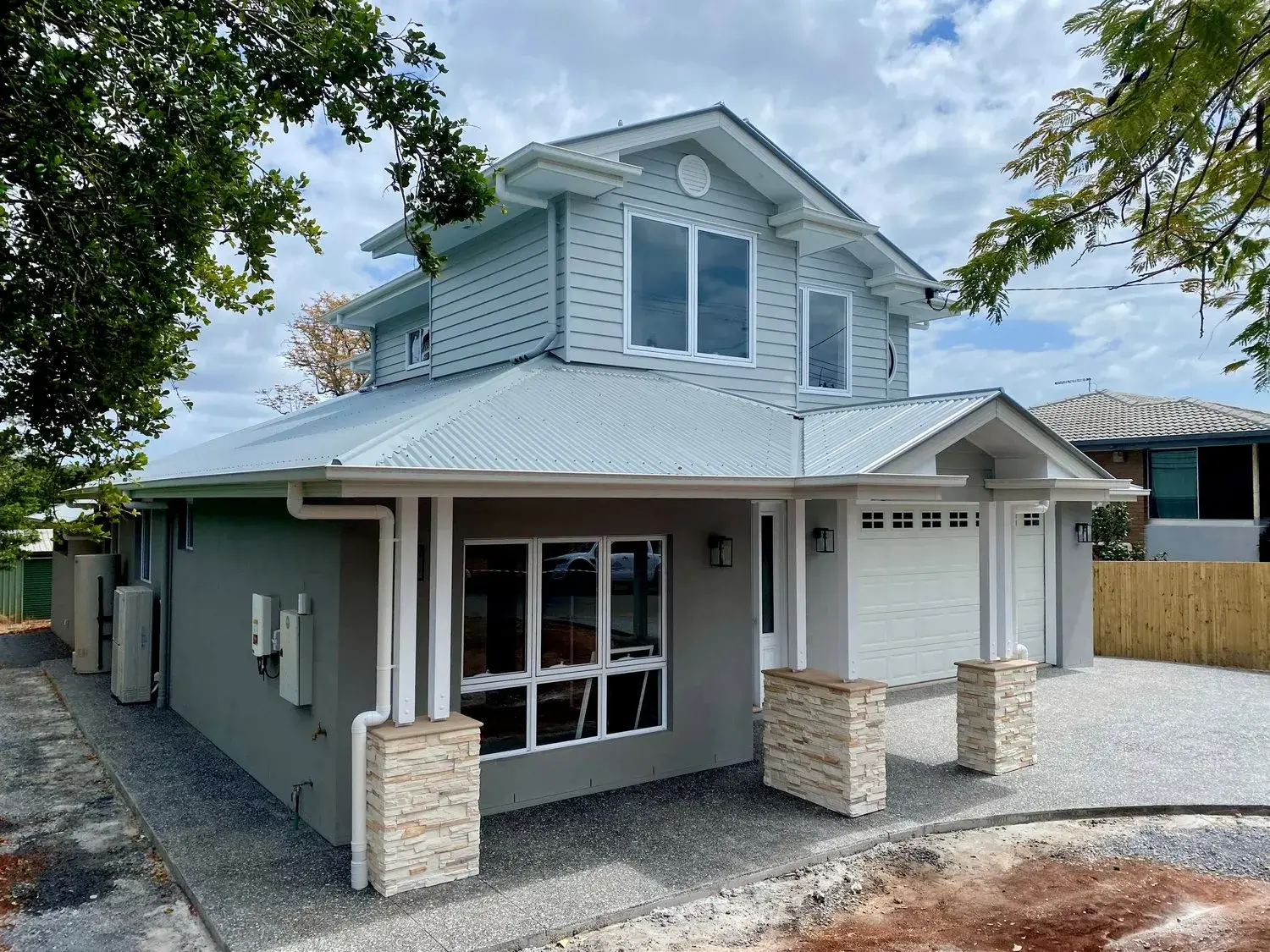
Gain Insight into Key Changes in Property Investment Regulations
Before 12 May 2026, the negative gearing system applied equally to both new and established properties. If your rental income was lower than your expenses — which include mortgage interest, rates, insurance, and maintenance costs — you could offset those losses against your total income, effectively lowering your tax liability. Many investors were familiar with this mechanism, which significantly shaped their investment strategies.
Starting from 1 July 2027, this tax offset will only apply to new constructions. If you acquire an established property after 12 May 2026, your rental losses will only offset other property income. This means you will not be able to reduce your taxable income from salary or other investments. The appealing tax benefits that made negatively geared properties attractive to higher-income earners will be eliminated for existing stock.
On the other hand, new constructions will continue to enjoy the full benefits of negative gearing. Investors in new properties can choose between a 50 percent capital gains tax (CGT) discount or the option for cost base indexation upon sale, depending on what best suits their financial situation.
For high-income investors contemplating their next move, the post-tax financial ramifications of new builds versus established properties have significantly changed. If you haven’t yet consulted your accountant about these changes, it’s important to prioritize that discussion.
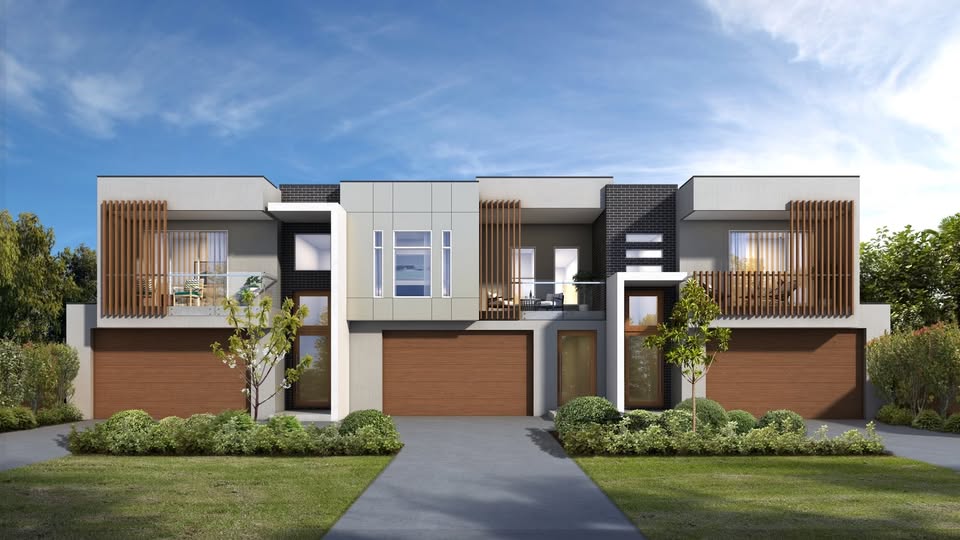
What Criteria Classify a New Build?
The specifics here are vital.
The government has clear criteria for what qualifies as an eligible new build: the property must contribute to increasing the housing supply. This includes:
- A dwelling built on vacant land is eligible. If it’s a new construction on an empty lot, it qualifies.
- A duplex or dual occupancy resulting from a knockdown rebuild qualifies, as long as you’re replacing one dwelling with more than one. For example, demolishing a single house and constructing a duplex increases supply and meets the criteria.
- However, a knockdown rebuild replacing one house with another single house does not qualify. The government documentation clearly states that a one-for-one replacement of standalone houses is NOT an eligible new build for negative gearing purposes.
- A newly constructed apartment purchased off the plan qualifies as a new build.
- A granny flat added to an existing property does NOT qualify for negative gearing on the granny flat portion.
The implications for Brisbane investors are clear: if you own a large block and are contemplating your next steps, choosing a duplex or dual occupancy instead of a single dwelling is now more than just a design choice. It now determines whether your construction qualifies as a new build under current regulations.
Why High-Value Investments Over $1 Million Are Now Especially Appealing
The individuals most affected by these changes are high-income earners — those who previously leveraged the benefits of negative gearing by offsetting losses against income taxed at 47 cents to the dollar.
These are the investors that Iconic specifically targets for construction.
A duplex or dual occupancy project with Iconic typically begins at $1 million solely for construction. This is not a standard project home price; it reflects a custom, architect-designed build featuring two fully independent dwellings tailored for the block and built to last.
At this price point, the tax implications become considerable. The rental income generated from two dwellings is substantial, making the negative gearing advantage on a high-value build significant. The CGT position for a quality new build held over the medium to long term, especially in a Brisbane market facing genuine supply constraints, is promising.
This is not financial advice. Always consult your accountant for tailored guidance based on your specific circumstances. The overall case for a high-quality duplex or dual occupancy build in Brisbane has rarely been more compelling.
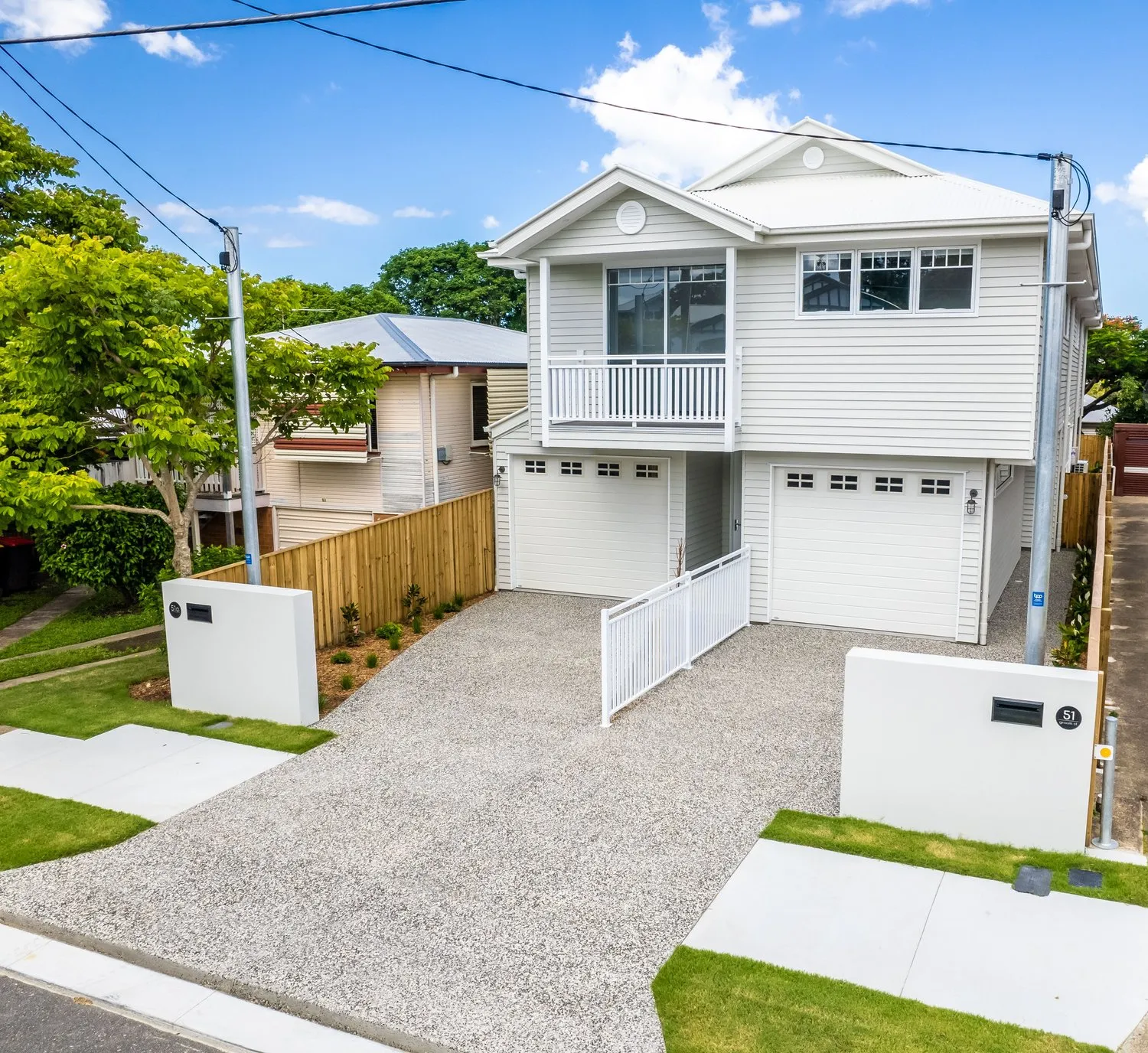
Understanding the Timeline and Its Critical Importance
This aspect often surprises investors.
The timeframe from your first discussion with a builder to receiving the keys for a duplex or dual occupancy build typically spans at least 18 months. Design and approvals alone can take between 4 to 6 months, followed by construction, which usually lasts 10 to 14 months.
The new regulations will take effect on 1 July 2027, which is now just 13 months away.
Investors looking to have a completed, tenanted new build before the regulations change may have already missed this window. The important perspective is this: those who want to be strategically positioned under the new rules — with a qualifying new build either underway or contracted — need to make decisions now, rather than waiting six months.
You must identify or already own the land, secure your financing, and conduct a feasibility assessment of what can be built. Each of these steps takes time and must be completed in sequence.
If you are serious about this opportunity, the time to discuss your plans is now. This is about adhering to genuine timelines, not creating urgency.
Identifying Ideal Investment Blocks in Brisbane
Not every block is suitable for a duplex or dual occupancy build, and certain locations are not conducive to investments of this scale. Here are essential factors to consider.
Size and zoning: Under the Brisbane City Plan 2014, a minimum of 600 square metres is generally required for dual occupancy. The Redlands have similar requirements under the Redland City Plan. Zoning is also critical — some zones permit dual occupancy, while others do not. Conducting a feasibility assessment before purchasing land is essential.
Slope: A flat or gently sloping block is significantly cheaper to build on compared to a steep one. Site costs for a sloping block can add between $50,000 to $150,000 or more to your overall project. Be sure to factor these expenses into your land purchase budget.
Location and demand: Areas such as the Redlands — including Cleveland, Thornlands, Victoria Point, and Capalaba — showcase strong and consistent rental demand for well-designed dual occupancy and duplex properties. Investors should note that council rates in the Redlands are significantly higher than those in the Brisbane City Council. This difference can accumulate on a dual occupancy or duplex and must be included in your financial calculations before acquiring a block.
For investors focused on Brisbane City Council areas, medium-density suburbs like Wynnum, Manly, Carindale, Bulimba, Cannon Hill, Camp Hill, Morningside, and Coorparoo are currently where opportunities abound. These locations offer strong rental demand, good access to amenities, and zoning that generally supports dual occupancy and duplex development.
Existing dwelling: If you are purchasing a block with an existing house, be sure to account for demolition costs, which start around $25,000 depending on size and whether asbestos is present. A knockdown rebuild that transitions from one dwelling to two qualifies as a new build under the 2026 budget regulations, while a one-for-one replacement does not.
For a detailed breakdown of the costs associated with building in Brisbane, refer to our 2026 custom home cost guide →
Mastering the Construction Process for Investment Properties
The process of constructing a duplex or dual occupancy for investment purposes is not dramatically different from building a custom home; however, several critical considerations must be kept in mind.
Financing differs. A construction loan for an investment build releases funds in stages as construction progresses rather than in a lump sum. Your broker should be knowledgeable about construction finance, and your borrowing structure must reflect the understanding that rental income will not be available during the construction phase. Ensure your financing is organized before proceeding with any other steps — it influences every subsequent decision. For a detailed order of operations, refer to our Brisbane new build guide →
Design impacts yield. A duplex or dual occupancy designed solely to minimize construction costs may result in two dwellings that feel subpar, which tenants will notice. Thoughtful design leads to better tenants, lower vacancy rates, and increased long-term capital value. Investing in design choices that create a property feel like a quality standalone dwelling is worthwhile.
Fixed-price contracts are essential. For an investment build, a fixed-price contract is crucial. It is what your lender will demand and what safeguards your budget. Variable cost contracts on investment properties can lead to budget overruns at critical moments. Ensure your builder provides a genuine fixed-price contract and clarify what is included — and what is excluded — before signing.
Engage a builder with in-house design capabilities. This is especially important for investors compared to owner-occupiers. An independent architect or designer may create beautiful plans without considering costs, leading to surprises when presented to a builder. A builder with an in-house design team ensures that cost considerations remain central to every design decision, preserving the integrity of your investment model. For more insights on this, read our section on designer selection in the Brisbane build guide →
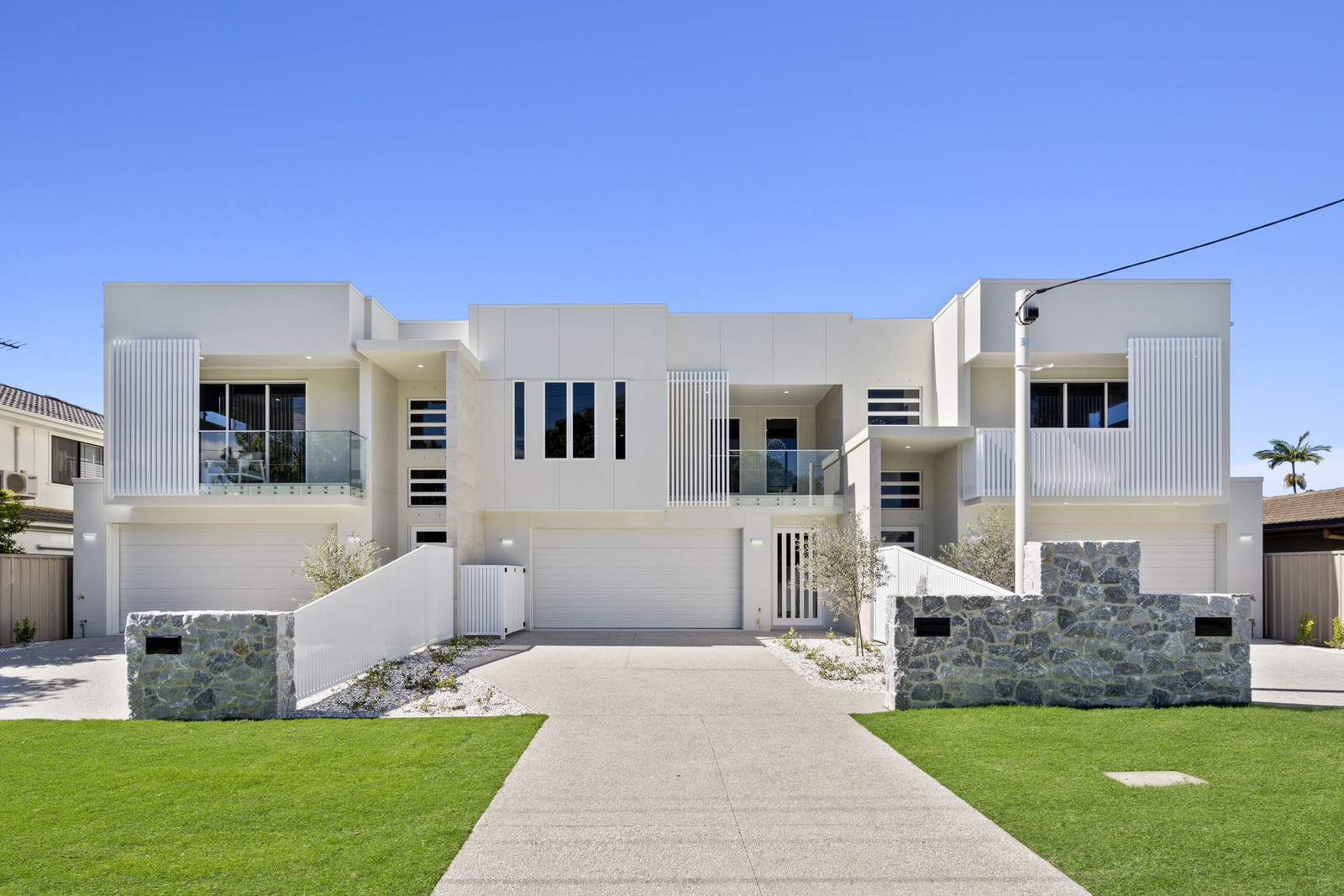
Comparing Dual Occupancy and Duplex for Optimal Investment Success
Both options can lead to success, but understanding the differences is crucial:
A duplex consists of two dwellings connected side by side or stacked, sharing a common wall. Generally, this is more efficient to build on a standard block. Subdivision into two separate titles is possible after construction.
A dual occupancy features two dwellings on one title, either attached or detached. A typical layout includes a house at the front and a second home at the rear. This arrangement can also be subdivided later if the block size and zoning allow.
For investors, key considerations include: what does your block permit, how does the local rental market respond, and what is the best strategy — maintaining both dwellings on one title or subdividing for potential separate sale or financing flexibility later? These are essential discussions to have with your builder and accountant before finalizing designs.
For an in-depth analysis of dual occupancy options in Brisbane and the Redlands, visit our dual occupancy page →
Do You Have Any Inquiries?
Addressing Common Questions
Does a knockdown rebuild qualify for negative gearing under the new regulations?
Only if it increases the number of dwellings. For example, demolishing a single house and constructing a duplex qualifies, whereas replacing one house with another single house does not. The government’s policy specifically targets new supply rather than replacement supply.
Can I negatively gear a new build duplex purchased from a developer?
Only the first buyer from the builder qualifies, provided the property has not been occupied for more than 12 months prior to the first sale. If you are buying a completed new build from a developer who constructed it as a development project, ensure you carefully review the occupancy history.
Must I have the build completed before 1 July 2027 to qualify?
No. The key factor is that the property is a new build — not its completion date. The critical point is that you do not purchase an established property after 12 May 2026. A new build that is contracted and under construction after this date still qualifies.
What is the minimum block size for a duplex in Brisbane?
Typically, a minimum of 600 square metres is required under the Brisbane City Plan 2014, but zoning and overlays also come into play. Some zones do not permit dual occupancy regardless of block size. A feasibility assessment of your specific block prior to purchase is critical.
How long does it take to build a duplex or dual occupancy?
From the initial consultation to handover, you should plan for a minimum of 18 months. Design and approvals usually take 4 to 6 months, followed by construction, which lasts 10 to 14 months. Complications from site conditions or council assessments can extend this timeline.
Should I consult with my accountant or builder first?
Both discussions are valuable and should happen now. Your accountant can evaluate whether the tax implications make sense for your specific income and investment structure. Your builder can assess whether your block is suitable and if your budget is realistic for a qualifying new build. Each conversation is brief but informative.
Ready to Explore Your Investment Build Options?
If you are a Brisbane investor contemplating your options following the budget changes and wishing to have an honest discussion about what is feasible — including block viability, construction costs, timelines, and qualifying criteria — contact the team at Iconic Homes.
We build across Brisbane, including Cleveland and the Redlands. We will inquire about your budget early on, provide a candid assessment of what it can achieve, and outline a realistic process from start to finish.
No pressure, no jargon; just a straightforward conversation. Call us at 0402 017 072 or schedule a free consultation →
Original Article First Published At: Why Brisbane Investors Are Building Instead of Buying in 2026
The Article: Brisbane Investors Choose Building Over Buying in 2026 first appeared on https://writebuff.com
The Article Building Over Buying: Brisbane Investors’ 2026 Preference Was Found On https://limitsofstrategy.com