If you are fortunate to have a shed located on your acreage property and are tired of relying on extension leads that run from your home, it is crucial to consider the benefits of having it professionally wired. Whether your shed is a simple storage shed requiring just a light and a power point, or a fully equipped workshop where you use welders and compressors, there is a systematic approach to follow. In NSW, the only legal and safe way to achieve this task is by hiring a licensed electrician.
This comprehensive guide details the steps necessary to electrify your shed, explaining what your electrician will need to install and providing an estimate of the costs you can expect to encounter in the Mid North Coast region.
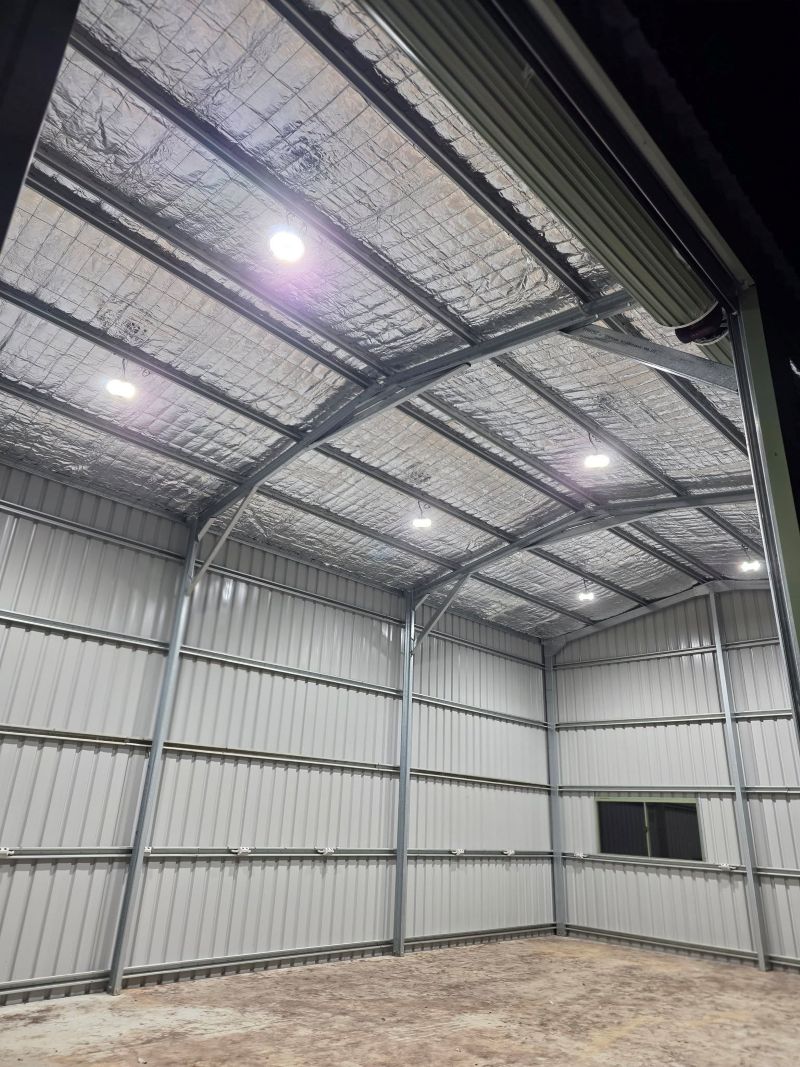
Begin Your Shed Wiring Project by Mastering Cable Running Techniques
The most important aspect of any shed wiring project is establishing a reliable power source that connects your main switchboard to your shed. Depending on the size of your property, this distance can vary significantly, ranging from 30 to over 100 metres. The longer the cable run, the larger the cable size required to effectively manage voltage drop, ensuring that your shed receives the necessary power efficiently.
Essentially, you have two primary options for your cable run:
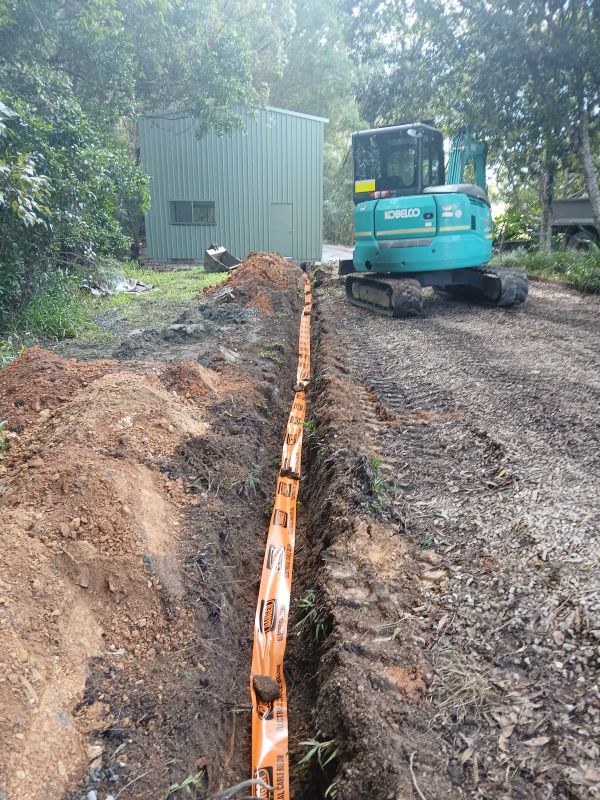
- Underground cable run — This method is preferred and offers a visually appealing option. A licensed electrician will install heavy-duty cable through orange conduit, buried at least 500mm deep (or deeper if vehicles are expected to traverse the area). This approach protects the cable from adverse weather conditions, animals, and falling branches, making it the optimal choice for most acreage properties.
- Overhead cable run — Although less common in modern installations, it may be necessary if you encounter solid rock or challenging terrain that complicates trenching. Overhead installations must adhere to specific clearance heights and include support poles, which can significantly inflate overall costs.
For the vast majority of properties in Bellingen, Coffs Harbour, and the Mid North Coast, the underground option remains the best choice. Your electrician in Bellingen can evaluate your site and recommend the most effective installation route.
Create a Dedicated Sub-Board for Efficient Power Management in Your Shed
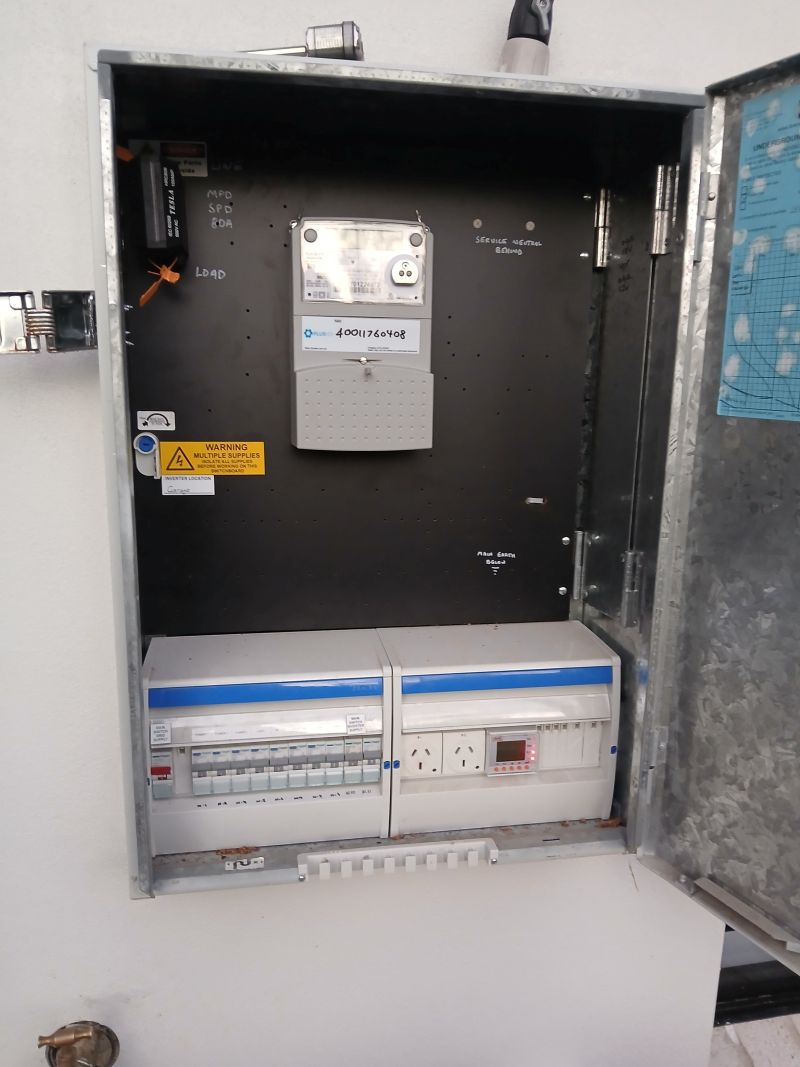
It is inadequate to merely run a single cable to the shed and expect to plug in devices without additional infrastructure. Any shed receiving a proper power supply must be equipped with its own dedicated sub-board, also known as a distribution board. This setup functions as a mini switchboard within the shed, efficiently managing all the electrical circuits and ensuring safe operation.
Your sub-board typically comprises the following components:
- Main switch — This switch allows you to isolate all power to the shed independently from the main house, providing an added layer of safety.
- RCDs (safety switches) — These devices are mandated under NSW electrical regulations. They instantly cut the power within milliseconds if a fault occurs, which is crucial in a shed environment often exposed to moisture, dust, and potential damage.
- Circuit breakers — These provide individual protection for each circuit in your shed, covering lighting, general power, and dedicated tool circuits, ensuring that you can operate multiple devices without the risk of overloading.
If your house’s main switchboard is older, your electrician may also recommend upgrading the switchboard to accommodate the additional load directed to the shed, ensuring that all connections are safe and efficient.
What Equipment is Necessary for Installation Inside Your Shed?
The specific installations conducted by your electrician within the shed will be tailored to its intended use. Here’s a detailed overview of what these installations typically include.
Maximizing a Basic Storage Shed Setup for Practical Use
For a shed primarily used for storing tools, a ride-on mower, or general equipment, consider the following installations:
- LED batten lights — Installing one or two ceiling-mounted LED battens can effectively illuminate the entire space. Your trusted electrician can provide insights on the most suitable lighting layout based on the shed’s dimensions and your specific storage needs.
- Two to four general power points — This quantity is sufficient for plugging in chargers, radios, or a drop saw whenever needed. Standard power points and switches will operate on a single circuit, ensuring versatility for various tools.
- External light — An outdoor-rated LED light positioned above the door guarantees safe access to the shed without fumbling in the dark, enhancing both safety and convenience.
Designing a Fully Powered Workshop Shed for Enhanced Efficiency
If you frequently use power tools such as drop saws, bench grinders, or dust extractors, your wiring requirements will extend beyond basic setups and necessitate careful planning:
- Multiple circuits — Establish separate circuits for lighting, general power, and specialized power tool outlets. This setup prevents the lights from flickering every time you activate a saw, ensuring a stable working environment.
- Higher-rated power points — Install 15-amp or 20-amp outlets to effectively accommodate heavier tools, ensuring you have the right power supply for your equipment.
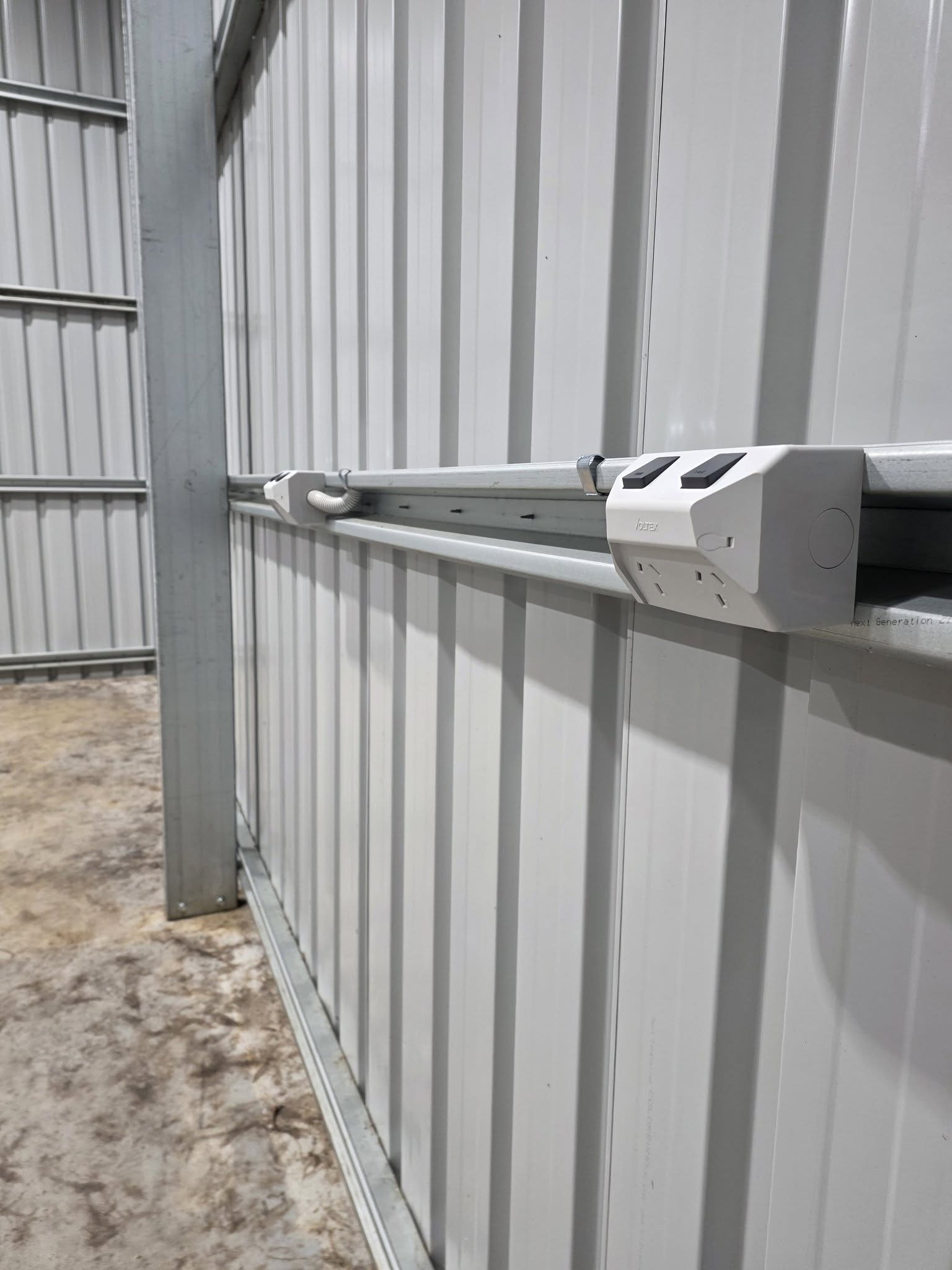
- Increased number of power points with optimal placement — Ensure outlets are positioned at bench height rather than only at skirting level, facilitating ease of use based on your workbench arrangement.
- Dedicated lighting — Provide enhanced, targeted lighting over work areas, utilizing LED high-bays for larger sheds to improve visibility and safety.
For comprehensive guidance on establishing dedicated circuits for heavy tools, check out Powering a Rural Workshop — Dedicated Circuits for Heavy Tools and Equipment, which delves into the specifics of effective wiring solutions.
Equipping a Comprehensive Workshop with Essential Three-Phase Power
If your activities involve heavy machinery such as large compressors, lathes, MIG welders, or commercial-grade equipment, relying solely on single-phase power may not suffice. This is where three-phase power becomes essential to meet your demands.
Three-phase power provides a more stable and higher-capacity power supply, allowing you to operate multiple heavy-duty machines simultaneously without compromising performance. Your electrician will need to:
- Organize a three-phase supply from your energy distributor (this process can take several weeks in the Mid North Coast area).
- Install a three-phase sub-board in your shed, complete with the necessary breakers and RCDs to ensure safety and compliance.
- Utilize heavier cabling — Keep in mind that three-phase cable runs can be costlier, especially over extended distances, so meticulous planning is crucial.
- Set up three-phase outlets — These heavy-duty sockets are specifically rated for the equipment you plan to operate, providing the necessary power for effective functioning.
If you’re uncertain about whether you require three-phase power, read Do I Need Three-Phase Power on My Property? — this resource discusses when it is beneficial and when a properly configured single-phase system will suffice. We also provide full three-phase switchboard installation if that aligns with your needs.
Why Investing in Essential Surge Protection for Your Shed is Crucial
Properties on the Mid North Coast often experience intense lightning storms. A direct or nearby strike can potentially damage everything in your shed, including tools, chargers, fridges, and any devices plugged in, leading to expensive repairs.
Investing in a reliable surge protection device, installed within the sub-board, serves as inexpensive insurance against electrical surges. It absorbs voltage spikes before they can reach and damage your valuable equipment. For sheds containing costly tools or a workshop setup, this measure proves invaluable and could save you considerable costs in the long run.
If your property also utilizes a generator for backup power, your electrician can install a generator changeover switch, ensuring that both the shed and the house can safely switch to generator power during outages, maintaining essential operations during emergencies.
What Are the Requirements for Council Approval and Compliance in Shed Wiring?
Here are several important considerations to keep in mind:
- All electrical work in NSW must be performed by a licensed electrician. There are no exceptions to this rule. While you may dig the trench yourself to save on labor costs, all electrical work — including cabling, connections, and sub-board installation — must be handled by a licensed contractor who will issue a Certificate of Compliance (CCEW) upon completion.
- Depth of underground cable must adhere to AS/NZS 3000 (the Wiring Rules), a standard your electrician will ensure compliance with during the installation process.
- If the shed is newly constructed, you may need development approval depending on your local council and the size of the shed. While the electrical work itself might not require a separate permit, the overall construction may necessitate one.
Hack-It Electrical Solutions proudly holds the NSW Electrical Contractor Licence #230609C. We provide a compliance certificate for every job we complete, ensuring peace of mind and adherence to local regulations.
Understanding the Costs Involved in Wiring Your Shed on Acreage
Each shed presents unique challenges — including distance from the house, whether you require single-phase or three-phase power, the number of circuits needed, and soil conditions impacting trenching. However, here’s a realistic cost guide for the Mid North Coast area:
- Basic shed wiring (lighting + a few power points, short cable run) — Starting from $2,500
- Powered workshop shed with sub-board and multiple circuits — Starting from $4,500
- Full workshop setup with three-phase power, dedicated circuits, and surge protection — Starting from $8,000+
Be aware that longer cable runs (50m or more), rocky terrain requiring specialized equipment, or upgrades to three-phase supply will all increase costs. The most effective way to obtain an accurate estimate is to have your electrician visit your property, assess the cable route, and gain a clear understanding of your shed’s intended use and requirements.
If you want a straightforward quote for your specific setup, feel free to call us at 0402 079 803 or contact us here.
Addressing Common Questions About Shed Wiring
Can I Wire My Shed Myself in NSW?
Absolutely not. All electrical work in NSW must be conducted by a licensed electrician. This includes tasks such as running cables to the shed, installing the sub-board, power points, lighting, and more. Engaging in DIY electrical work is illegal and poses significant dangers to you and your property. Your electrician will issue a Certificate of Compliance once the work has been completed, ensuring everything is up to standard.
How Deep Must Underground Cable Be Buried?
According to the Australian Wiring Rules (AS/NZS 3000), underground cable installed in conduit should be buried a minimum of 500mm deep under normal conditions. If vehicles are expected to drive over the route, the cable must be buried deeper, typically around 600mm or more. Your electrician will determine the appropriate depth for your specific property circumstances, ensuring compliance with safety regulations.
Do I Need a Separate Meter for My Shed?
In most instances, the answer is no. The shed’s sub-board connects back to your main house switchboard and draws power from the same meter. A separate meter is only necessary if the shed serves as a standalone dwelling or commercial premises — this consideration involves discussions with both the council and your energy distributor to ensure compliance with local regulations.
How Long Does It Take to Wire a Shed on Acreage?
A basic shed wiring job, which includes trenching, cable installation, sub-board setup, lighting, and power points, typically takes between one to two days once the trench is prepared. If you’re digging the trench yourself, your electrician can provide guidance on the precise route and depth before you begin. Keep in mind that three-phase jobs may take longer due to the need to arrange the supply connection with the distributor first.
Can I Run Power From the Shed to Other Buildings?
Yes, you can. However, each additional building will require its own appropriately rated cable run and may need its own sub-board depending on the load. Your electrician can design a comprehensive layout across multiple buildings to ensure that the cabling and switchboard capacity are adequate from the outset, rather than trying to add components later and potentially creating issues with power distribution.
Ensure Your Shed Wiring is Completed Correctly with Professional Assistance
If you are located on acreage near Bellingen, Coffs Harbour, Sawtell, Boambee, or anywhere across the Mid North Coast, Hack-It Electrical Solutions is here to assist you in setting up your shed correctly — whether it involves a basic lighting and power setup or a comprehensive three-phase workshop installation tailored to your specific needs.
Give us a call at 0402 079 803 or reach out through our website to schedule a site visit. We will survey your property, determine the optimal cable route, and provide you with a straightforward quote that meets your requirements.
Hack-It Electrical Solutions — NSW Electrical Contractor Licence #230609C — 5 stars, 114 reviews
Original Article First Published At: Shed Wiring on Acreage: What Your Electrician Needs to Install
The Article: Shed Wiring: Essential Installation Tips for Your Electrician first appeared on https://writebuff.com
The Article Shed Wiring Tips: Key Installation Advice for Electricians Was Found On https://limitsofstrategy.com